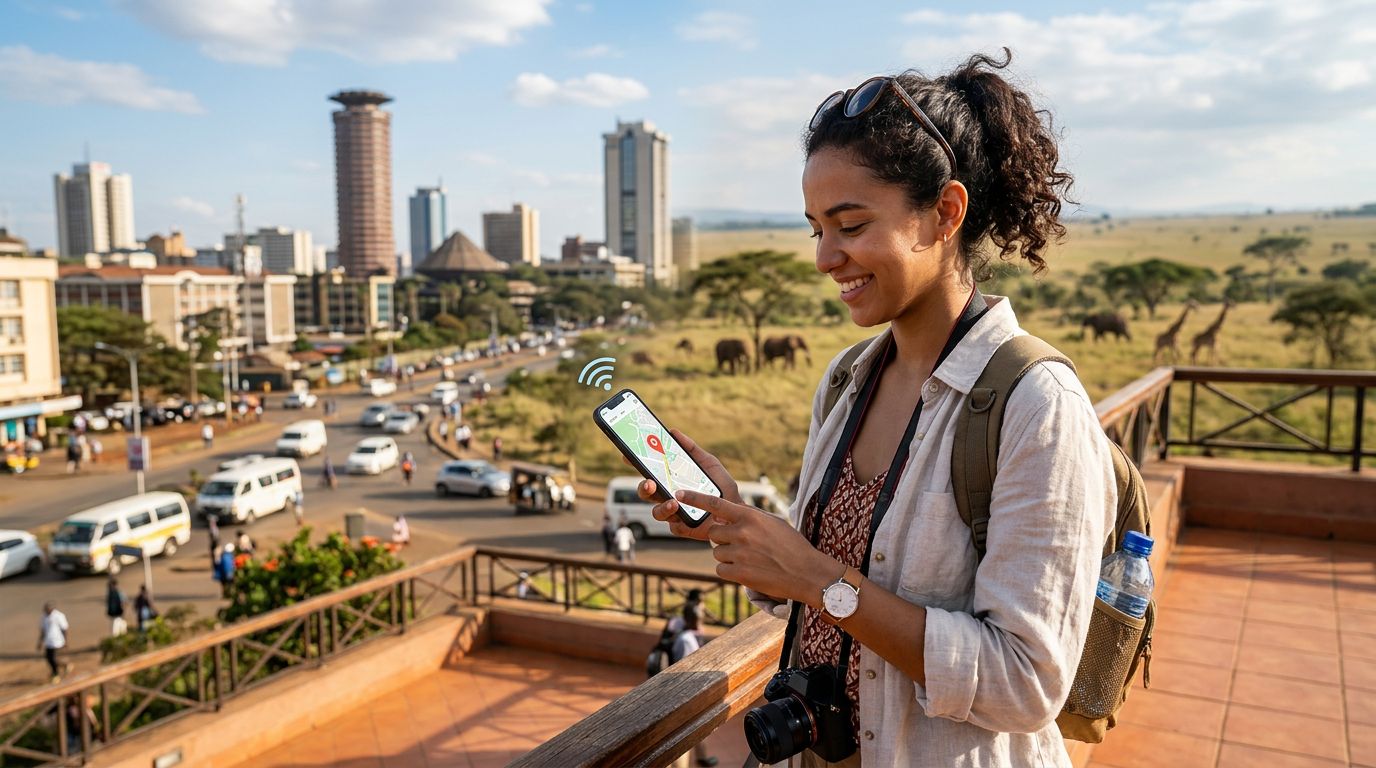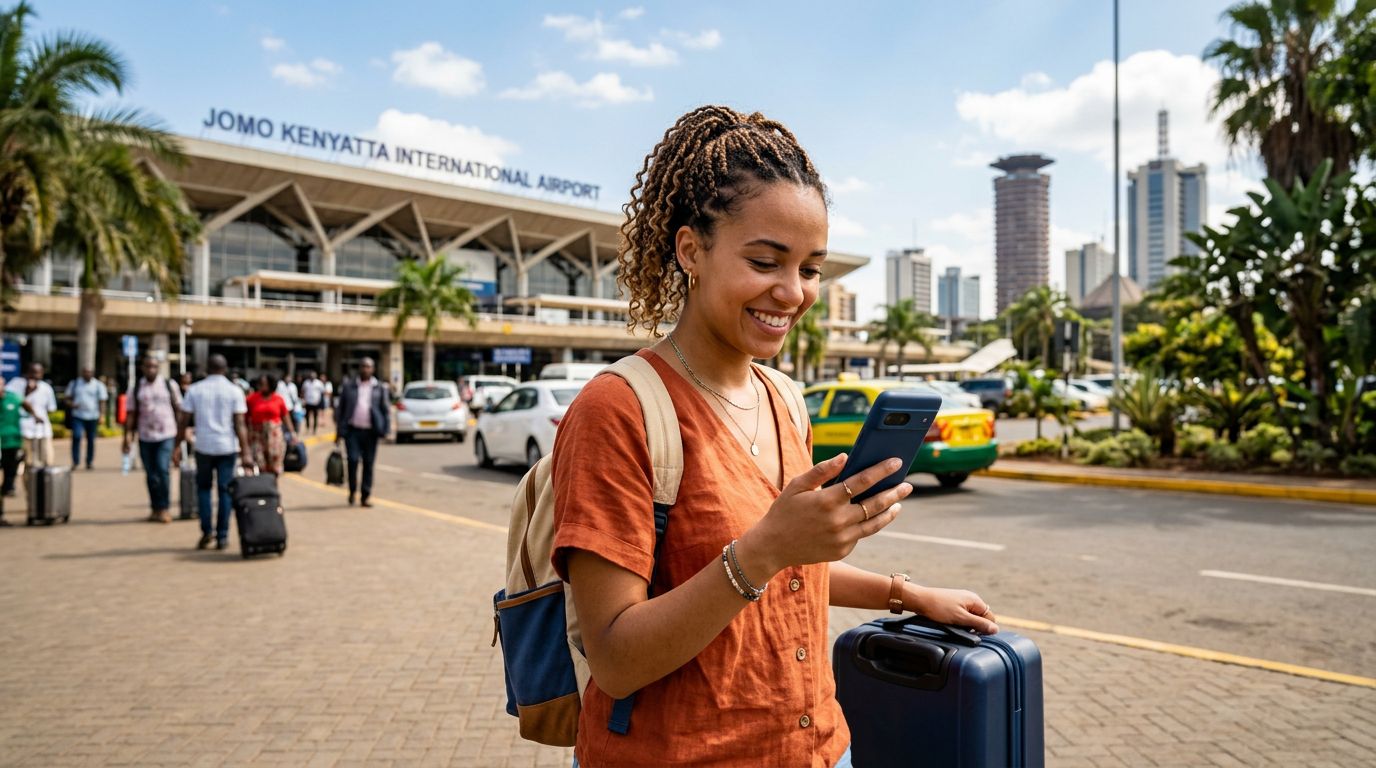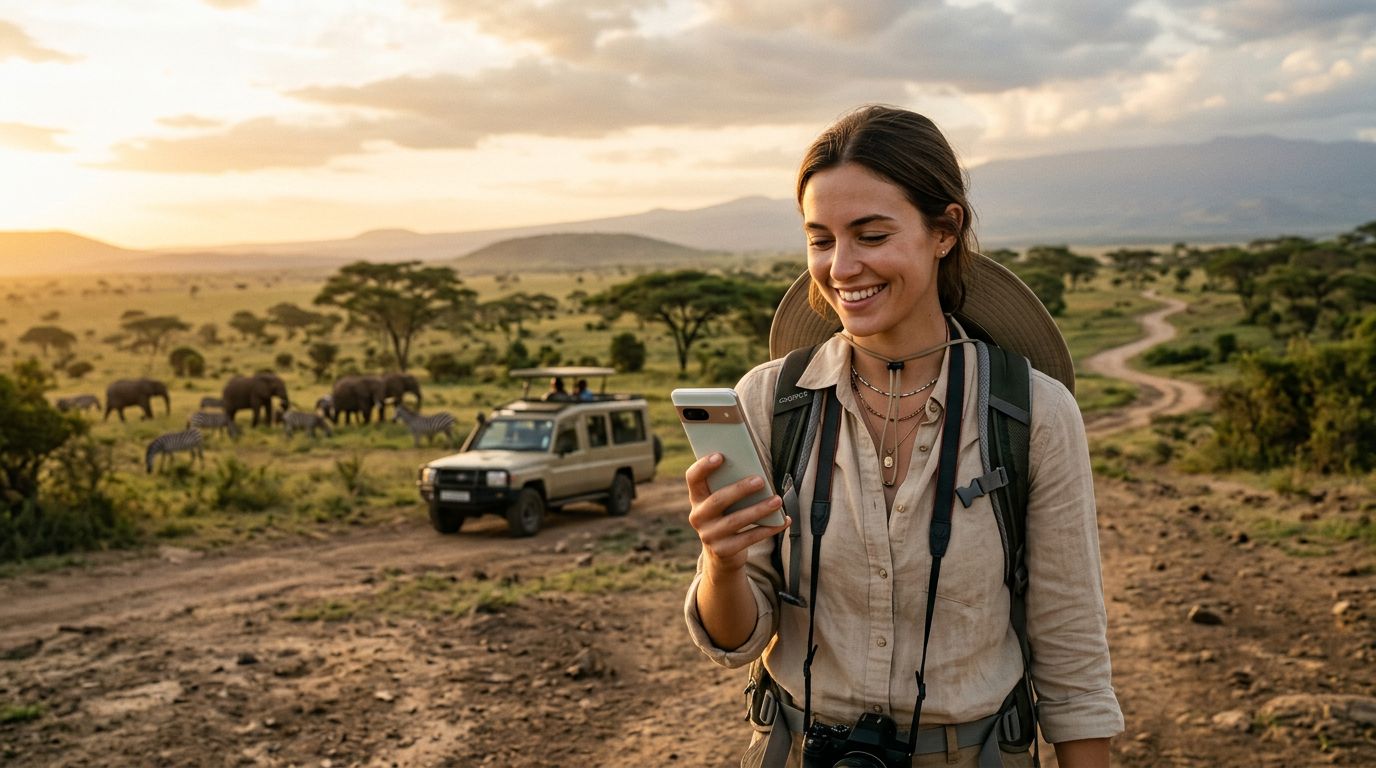
Planning a trip to Kenya is a dream for many travelers, whether you are heading out for a safari in the Maasai Mara, exploring the bustling streets of Nairobi, or relaxing on the white sands of Diani Beach. As you finalize your packing list, one critical item often gets overlooked until the last minute: how you will stay connected. Choosing between a traditional physical Kenya SIM card and a modern eSIM can significantly impact your travel experience.
Understanding the Physical Kenya SIM Card Experience
For decades, the standard way to get mobile data while traveling abroad has been to purchase a physical SIM card upon arrival. In Kenya, this typically involves visiting a mobile network provider’s kiosk at the airport or finding a local shop in the city.
When you choose a physical SIM, you are essentially swapping out your home provider’s chip for a local one. This process requires you to physically handle your phone’s SIM tray, which can be delicate. You will need a SIM ejector tool, and you must keep your original SIM card in a safe place so you do not lose it during your journey. If you misplace your home SIM, you could face significant headaches and service interruptions once you return to your home country.
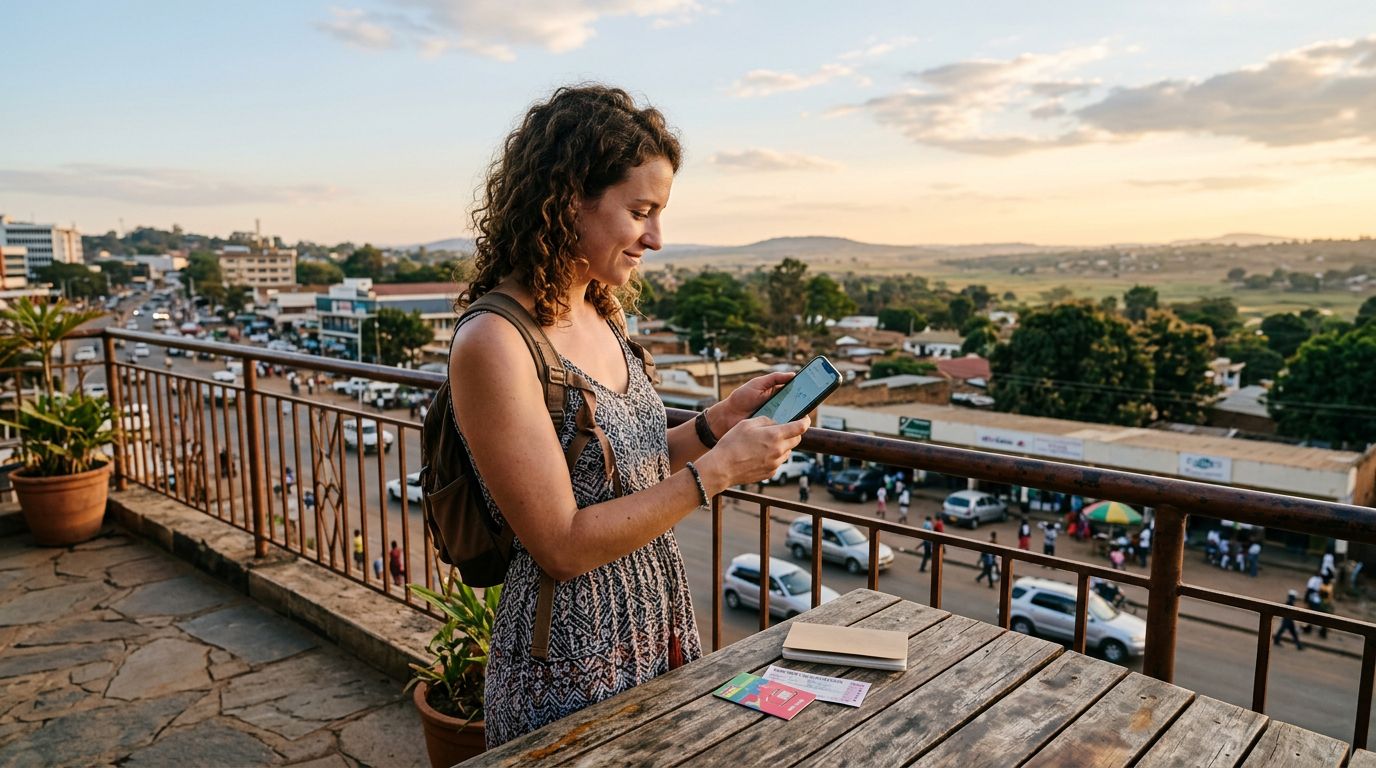
Another aspect of the physical SIM experience is the registration process. Kenyan regulations require mobile subscribers to register their SIM cards with a valid passport. While airport kiosks are accustomed to this, it can lead to long queues after a tiring international flight. You might find yourself standing in line for an hour just to get your phone connected, all while trying to navigate a new environment. Furthermore, once you have the card, you must ensure it is properly activated and that your phone is unlocked by your home carrier to accept foreign chips.
The Advantages of Choosing an eSIM for Your Safari
The eSIM, or embedded SIM, has transformed how travelers approach connectivity. Unlike a physical card, an eSIM is a digital version of a SIM profile that you download directly to your device. Because the technology is built into the hardware of modern smartphones, there is no need to open your phone or swap out any hardware.
One of the primary benefits of using an eSIM for your trip to Kenya is the convenience of preparation. With a provider like OneTapSIM, you can purchase and install your data plan before you even leave your home. Once you land in Nairobi or Mombasa, your phone can automatically switch to the local network. This eliminates the need to hunt for a store, deal with language barriers, or wait in long registration lines at the airport. You step off the plane and are immediately connected to maps, ride-sharing apps, and messaging services.
Another advantage is the ability to keep your home number active. Many travelers worry about missing important calls or two-factor authentication codes from their bank while abroad. With an eSIM, you can often keep your primary physical SIM card in your phone for calls and texts while using the eSIM specifically for your mobile data. This dual-SIM functionality ensures you stay reachable on your home number while enjoying the cost-effectiveness and speed of a local data connection.
Furthermore, eSIMs are inherently more secure. Since there is no physical card to remove or lose, the data profile remains securely stored on your device. If you are traveling through remote safari regions, the last thing you want is a loose, tiny plastic card falling out of your phone tray. An eSIM provides a stable, integrated solution that works seamlessly with your device’s internal hardware.
Making the Right Choice for Your Travel Needs
When comparing a Kenya SIM card vs eSIM, the decision often comes down to your device compatibility and your preference for convenience. Before choosing an eSIM, it is essential to verify that your smartphone is carrier-unlocked and supports eSIM technology. Most flagship phones released in the last few years are compatible, but it is always wise to check your device settings or the manufacturer's support pages to confirm.
If you are a traveler who values efficiency and wants to hit the ground running, the eSIM is the clear winner. It removes the friction of physical logistics and allows you to manage your connectivity from your phone’s settings menu. Whether you are tracking wildlife in the savanna or uploading photos of your trip to social media, having a reliable data connection is vital. OneTapSIM offers a streamlined way to manage these profiles, ensuring that you have data ready to go the moment you arrive.
On the other hand, if you are using an older device that does not support eSIM technology, a physical SIM card remains your only option. In that case, be prepared to carry a SIM ejector tool and keep your home SIM in a secure, dedicated travel wallet. Always ensure you have your passport ready for the mandatory registration process, as local providers are strict about compliance.
Ultimately, the goal of your trip to Kenya is to experience the beauty of the landscape and the warmth of the culture without being tethered to technical difficulties. By deciding on your connectivity method before you depart, you can ensure that your phone acts as a helpful tool rather than a source of stress. Whether you opt for the traditional physical route or the modern digital eSIM, being prepared is the best way to ensure your safari is memorable for all the right reasons. If your device supports it, the transition to eSIM is a significant upgrade in travel comfort, letting you focus on the horizon rather than your signal bars.