Understanding Your Connectivity Options in Fiji
Planning a trip to Fiji means preparing for pristine beaches, vibrant coral reefs, and lush rainforests. While the goal is to disconnect from the daily grind, having a reliable internet connection is essential for navigation, booking excursions, and sharing your experiences with loved ones back home. When deciding between a traditional physical SIM card and a modern eSIM, it is important to weigh the convenience, security, and technical requirements of each.
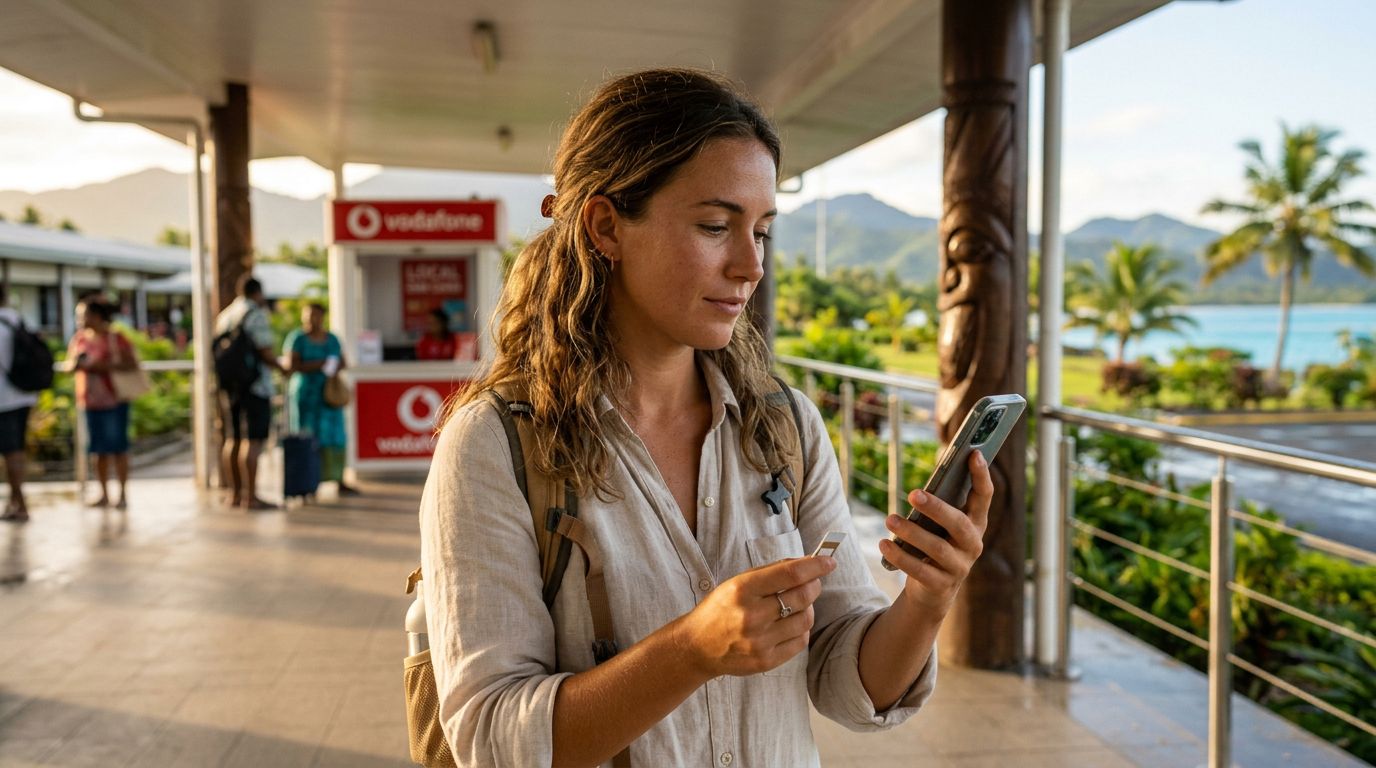
A physical SIM card has long been the standard for international travel. You arrive at the airport, find a local provider’s kiosk, present your passport, and swap out your home SIM card for a local one. While this method is tried and true, it comes with logistical hurdles. You risk losing your original SIM card, you may spend valuable vacation time waiting in queues at the airport, and you are limited by the physical hardware of your device.
The eSIM, or embedded SIM, is a digital alternative that eliminates the need for a physical plastic chip. It is a small chip built directly into your smartphone’s motherboard that allows you to download a carrier’s profile over the air. This technology has revolutionized how travelers approach international connectivity, offering a seamless transition from your home network to a local Fiji network without ever opening your phone’s SIM tray.
Comparing Fiji SIM Card vs eSIM: Convenience and Flexibility
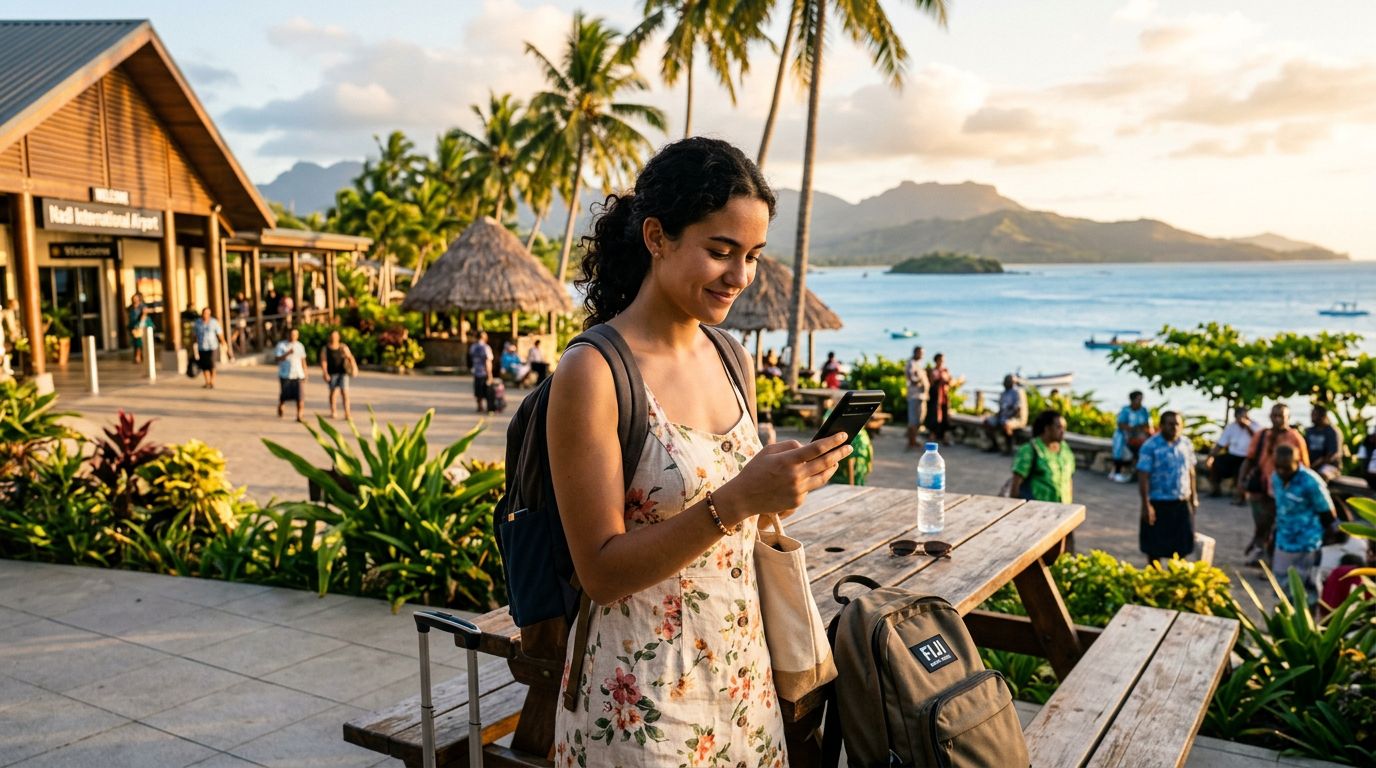
The primary advantage of choosing an eSIM for your Fiji vacation is the sheer convenience of preparation. With a service like OneTapSIM, you can purchase and install your data plan before you even board your flight. Once you land in Nadi or Suva, your phone automatically connects to the local network. You bypass the stress of finding a shop, dealing with language barriers, or worrying about store operating hours.
Physical SIM cards require physical access to your phone. If you have a modern device, you know how fragile those tiny trays can be. Constantly swapping cards increases the risk of damage or loss. Furthermore, many travelers find that managing a physical card is an unnecessary chore when they could be heading straight to their resort. With an eSIM, your original SIM stays safely inside your phone, meaning you can still receive SMS messages from your home bank or primary contacts if your device supports dual-SIM functionality.
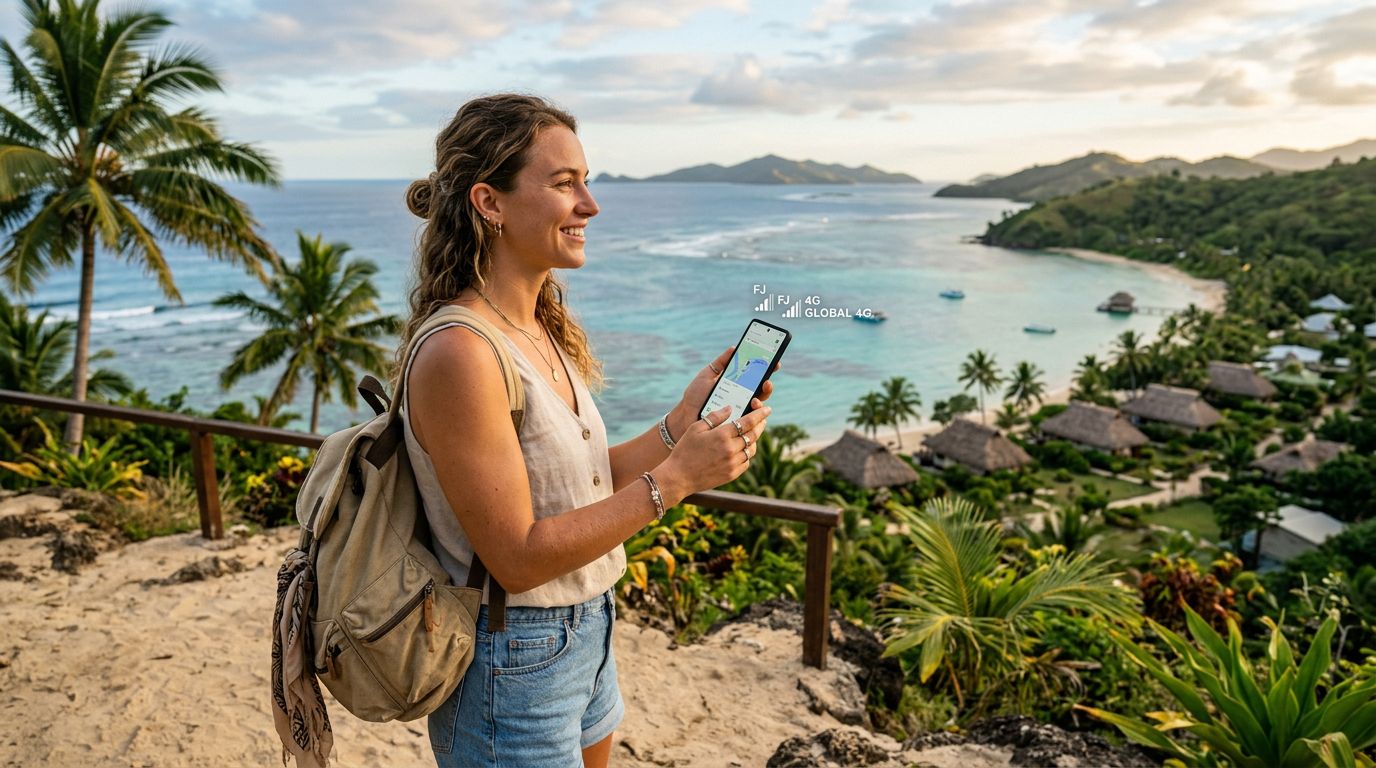
Another factor to consider is the flexibility of data management. Physical SIM cards are often tied to specific local carriers with rigid plan structures. eSIM providers often aggregate coverage from multiple local networks, ensuring that you have the best possible signal regardless of where you are on the islands. Whether you are trekking through the highlands of Viti Levu or lounging on a remote island in the Mamanucas, having a flexible digital plan ensures you stay connected without the manual labor of swapping hardware.
Technical Requirements and Compatibility
Before deciding between a Fiji SIM card vs eSIM, you must verify that your device is compatible. eSIM technology is standard in most flagship smartphones released over the last several years. If you are using a recent model from major manufacturers, your device is likely eSIM-ready. It is always a good idea to check your phone’s settings menu to confirm the presence of an eSIM manager.
One common misconception is that eSIMs are difficult to set up. In reality, the process is usually as simple as scanning a QR code or using an automated installation link provided by your service provider. Once the profile is downloaded, you simply toggle it on when you arrive. If you run into any technical questions, official support pages from device manufacturers provide clear guidance on how to manage cellular plans and dual-SIM settings.
It is also vital to ensure your phone is carrier-unlocked. If your device is locked to your home provider, it will not accept a local physical SIM card, nor will it allow you to activate an eSIM from a third-party provider. Contact your home carrier before your trip to request an unlock if you suspect your device is restricted. Once unlocked, your phone becomes a global tool, ready to host an eSIM for your Fiji adventure.
Making the Right Choice for Your Tropical Trip
When deciding between a Fiji SIM card vs eSIM, consider the type of traveler you are. If you prefer the comfort of a physical object and are comfortable navigating local retail environments in a foreign country, a physical SIM card might feel familiar. However, if you value efficiency, security, and the ability to hit the ground running, an eSIM is the superior choice.
By opting for an eSIM through a provider like OneTapSIM, you gain the advantage of pre-trip setup. You land, turn on your cellular data, and you are ready to use maps, check flight updates, and post photos of your tropical getaway immediately. This eliminates the "dead time" often associated with international travel.
Consider the security benefits as well. Keeping your primary SIM card in your phone reduces the chance of misplacing it in a hotel room or at the beach. You maintain your home phone number for essential communications while utilizing the eSIM for high-speed data. This hybrid approach is the modern standard for international travelers who want to remain reachable without sacrificing the convenience of local data rates.
Ultimately, the goal of any vacation is to minimize stress and maximize enjoyment. Whether you choose the traditional route or embrace the digital shift, ensure your device is prepared well in advance. By understanding the differences between these connectivity methods, you can spend less time managing your phone settings and more time enjoying the crystal-clear waters and warm hospitality of Fiji. Choose the option that aligns with your tech comfort level and your desire for a seamless travel experience.