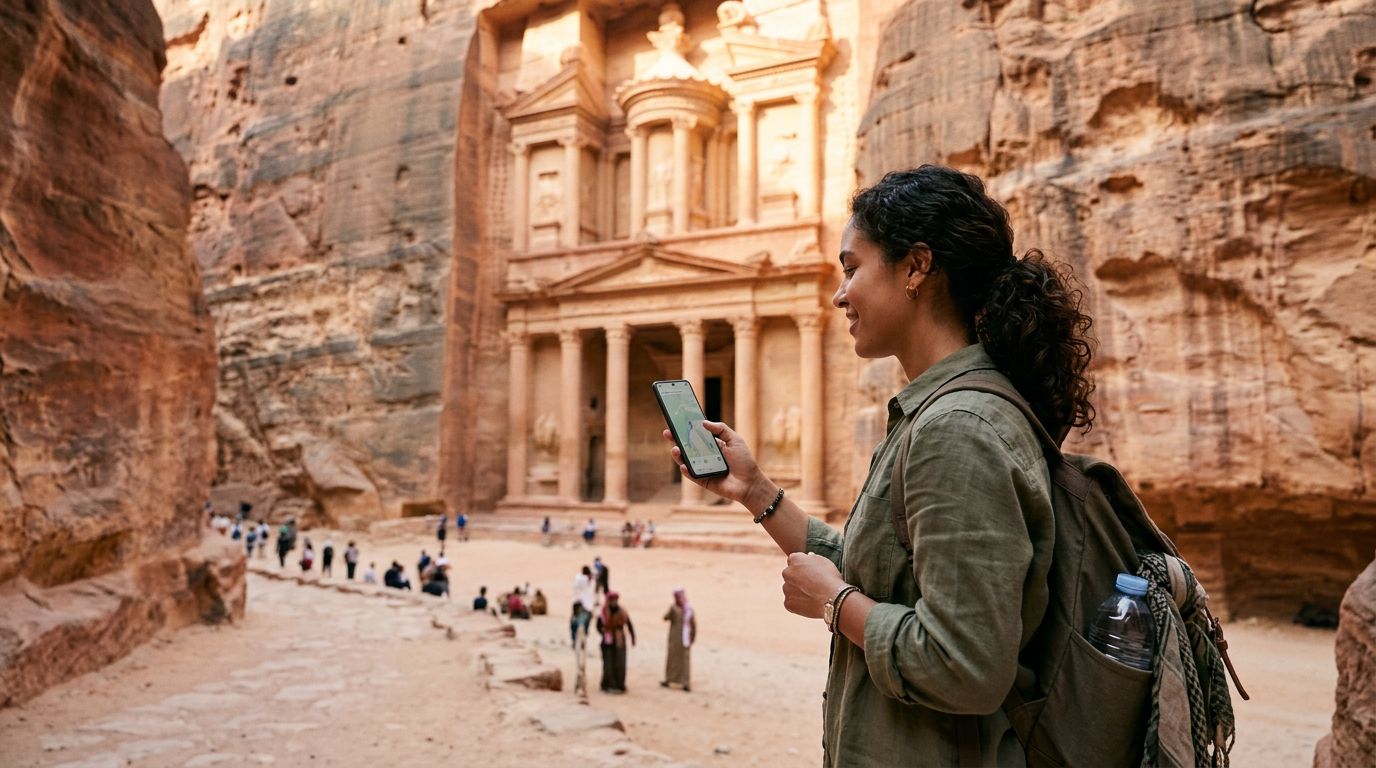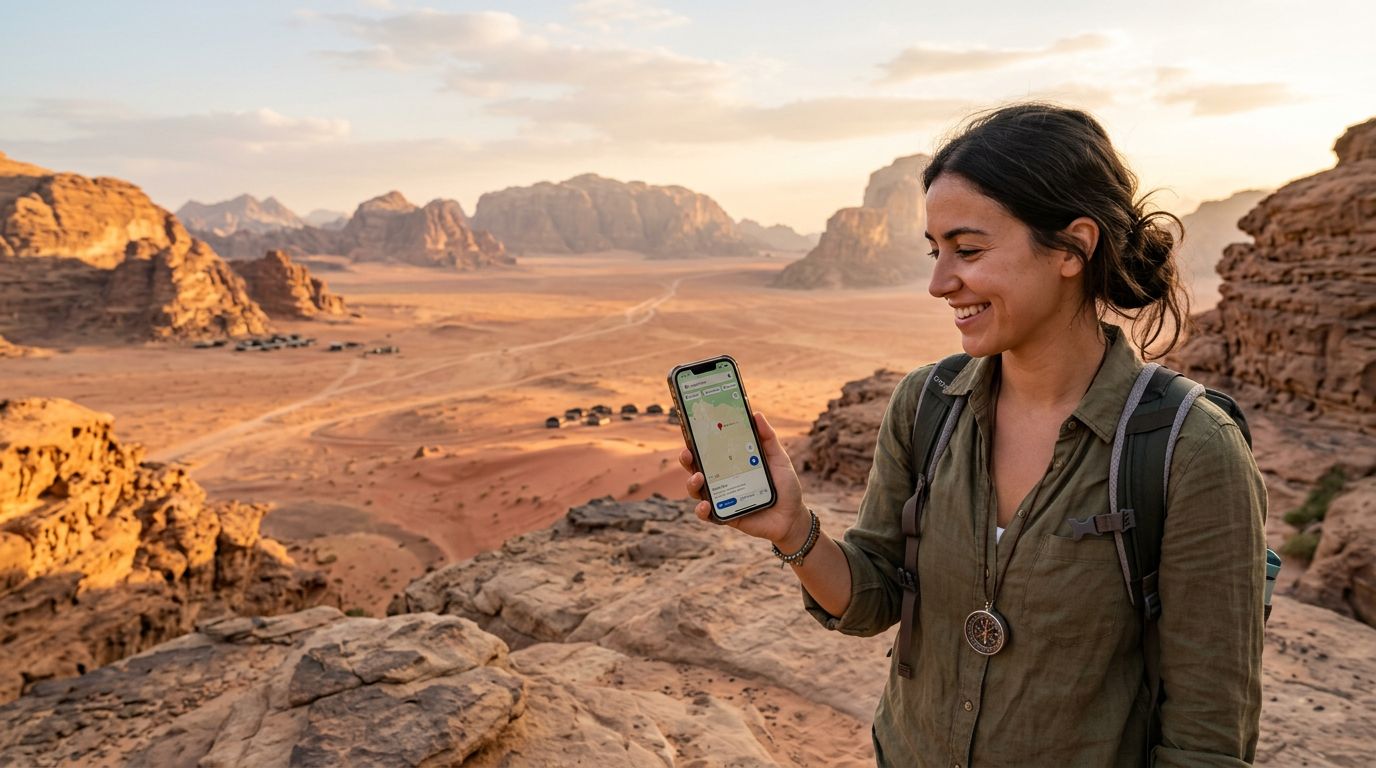
Traveling to Jordan offers a journey through time, from the rose-red city of Petra to the vast, silent dunes of Wadi Rum and the therapeutic waters of the Dead Sea. As you plan your itinerary, ensuring you have reliable internet access is essential for mapping routes, translating phrases, or sharing your experiences in real-time. A common question for modern travelers is: does eSIM work in Jordan? The short answer is yes, and it is quickly becoming the preferred method for staying connected while exploring the Hashemite Kingdom.
An eSIM, or embedded SIM, is a digital version of the traditional physical SIM card. Instead of inserting a plastic chip into your phone, you download a data profile that activates your cellular capabilities. This technology allows you to maintain your home number for emergencies while utilizing a local data connection for your travels. By choosing an eSIM, you bypass the need to visit a local kiosk at the airport or deal with the risk of losing a tiny physical card during your desert excursions.
Why Choose an eSIM for Your Jordanian Adventure
When you arrive in a new country, time is your most valuable asset. Traditional methods of connectivity often involve waiting in long queues at mobile provider counters within Queen Alia International Airport. You might have to present your passport, register your details, and wait for a staff member to manually configure your device. With an eSIM, you complete this process before you even leave your house.
OneTapSIM provides a streamlined experience that allows you to activate your connection the moment your plane touches the tarmac. Because the process is entirely digital, you avoid the common pitfalls of physical SIMs, such as finding a compatible card size or worrying about the fragile metal contacts being damaged. Furthermore, because you are not swapping out your home SIM card, you do not have to worry about misplacing it in the depths of your luggage.
Coverage is another significant factor. Jordan has made substantial investments in its telecommunications infrastructure, particularly in urban areas like Amman and major tourist hubs. By using an eSIM that utilizes these robust local networks, you ensure that you have the bandwidth necessary to upload high-resolution photos of the Roman ruins at Jerash or to stream music while driving along the King’s Highway. Reliability is key when you are navigating unfamiliar territory, and a digital solution offers a stable, consistent link to the internet.
Compatibility and Device Requirements
Before you commit to an eSIM, you must ensure that your smartphone is compatible with the technology. Most modern flagship devices released within the last several years support eSIM functionality. Generally, if you have a recent model from major manufacturers, you are likely covered. It is important to confirm that your device is carrier-unlocked. If your phone is currently locked to a specific home service provider, it will not be able to accept an eSIM profile from a different provider, regardless of the technology.
To verify your device's capabilities, you can check your phone’s settings menu under the cellular or mobile data section. If you see an option to "Add eSIM" or "Add Cellular Plan," your device is ready to go. Apple provides comprehensive documentation on their support pages regarding which specific iPhone models support this feature, and Google offers similar resources for their Pixel lineup.
If you find that your device is compatible, the setup process is remarkably straightforward. You will receive a QR code or a manual activation string after selecting your plan. Scanning this code triggers the download of the necessary network settings. Once the profile is installed, you can toggle it on as soon as you arrive in Jordan. This flexibility is particularly useful for travelers visiting multiple countries in the region, as you can manage multiple eSIM profiles on a single device and switch between them with a few taps.
Practical Tips for Staying Connected in Jordan
Connectivity in Jordan can vary depending on your location. While Amman, Aqaba, and Petra are well-covered, remote areas such as the deep desert of Wadi Rum or the rugged trails of the Dana Biosphere Reserve may have limited signal strength. In these instances, having a reliable eSIM provider like OneTapSIM is beneficial because it connects to the strongest available local towers. However, it is always wise to download offline maps and essential language translation files before heading into the wilderness.
Battery management is another consideration. Using cellular data, especially in areas with a weak signal, can drain your battery faster than usual as your phone works harder to maintain a connection. To preserve your battery, consider carrying a portable power bank and utilizing Wi-Fi at your hotel or hostel whenever it is available. You can keep your eSIM active for data while using your primary SIM only for essential calls or texts, allowing you to control your consumption effectively.
Finally, managing your data usage is straightforward with an eSIM. Most devices allow you to track exactly how much data you have consumed through your cellular settings. If you find yourself using more data than anticipated—perhaps due to uploading videos or frequent navigation—you can often monitor your usage through the management portal of your provider. By keeping an eye on your consumption, you can ensure that you remain connected throughout your entire trip without any unexpected interruptions.
Jordan is a destination that rewards curiosity and exploration. Whether you are floating in the Dead Sea or standing in awe before the Treasury in Petra, having the ability to access information instantly enhances your experience. By opting for an eSIM, you remove the logistical hurdles of international travel, leaving you more time to focus on the history, culture, and hospitality of this remarkable country. With your connectivity handled, you are free to enjoy the journey, knowing that your digital bridge to the world is secure and ready whenever you need it.