Understanding Connectivity in Angola
Angola is a country of vast landscapes, from the bustling streets of Luanda to the dramatic waterfalls of Kalandula and the arid beauty of the Namib Desert. For travelers planning a trip to this Southern African nation, the question of how to stay connected is often at the forefront of their itinerary. If you are wondering, "does eSIM work in Angola?", the short answer is yes. eSIM technology is becoming increasingly accessible, offering a modern alternative to the traditional physical SIM card that has long been the standard for international roaming.
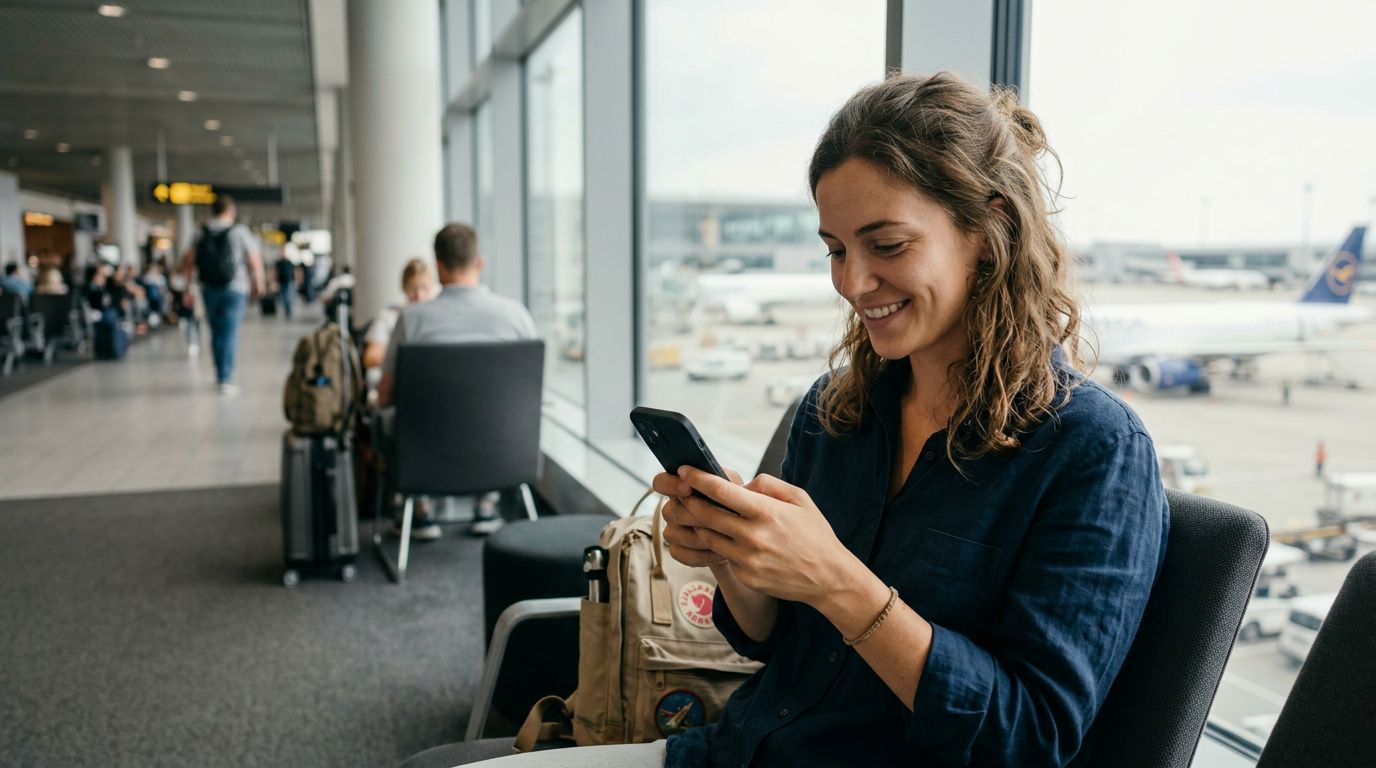
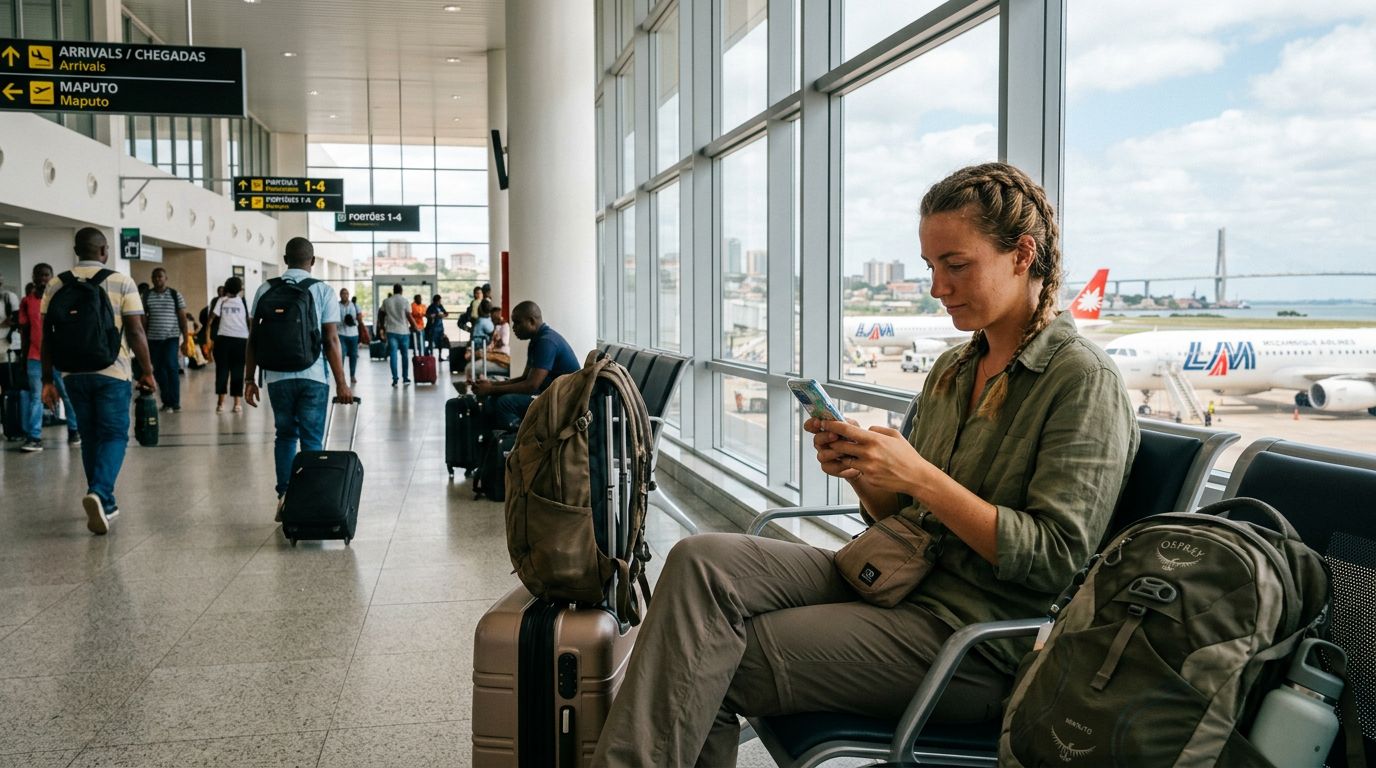
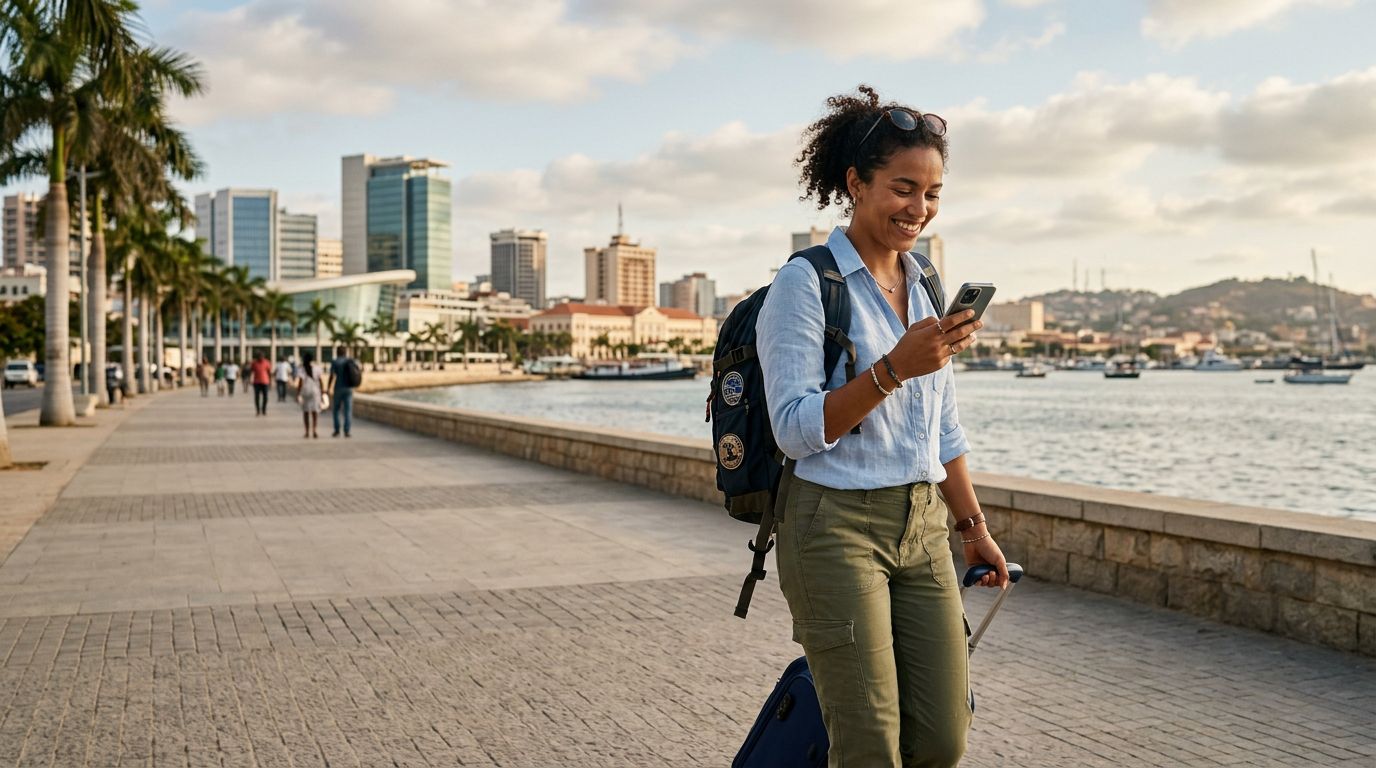
The primary benefit of using an eSIM in Angola is the ability to bypass the need for physical hardware swaps. When you land at Quatro de Fevereiro International Airport, you no longer need to search for a local kiosk, queue up for a physical card, or risk losing your home SIM card while fumbling with tiny trays and pins. An eSIM is a digital version of a SIM card embedded directly into your device’s hardware. By purchasing a data plan through a service like OneTapSIM, you can activate your connection before you even board your flight, ensuring that you have access to maps, ride-sharing apps, and messaging services the moment your plane touches down.
Checking Device Compatibility
Before you commit to an eSIM for your Angolan adventure, you must verify that your smartphone supports this technology. Not every device is equipped with an eSIM chip. Generally, most smartphones released after 2018—including recent models from major manufacturers—are compatible. To confirm your device’s capabilities, you should consult the settings menu of your phone or visit the official support pages for your device manufacturer, such as the resources provided by Apple or Google.
If you are using an iPhone, you can usually check this by navigating to your cellular settings to see if there is an option to "Add eSIM" or "Add Cellular Plan." For Android users, the process often involves checking the network or connection settings to see if an eSIM management section is present. It is also vital to ensure that your phone is carrier-unlocked. If your device is locked to a specific domestic network provider, it may not allow you to add an eSIM from a different service provider, regardless of whether the hardware supports it. Contacting your home carrier to request an unlock before your trip is a crucial step to avoid connectivity issues upon arrival.
The Advantages of Choosing OneTapSIM
When traveling to a country like Angola, reliability and ease of use are paramount. OneTapSIM simplifies the process of staying connected by providing a streamlined digital experience. Rather than dealing with local language barriers or navigating complex documentation requirements at a physical retail store in Luanda, you can manage your connectivity entirely through your device.
One of the most significant advantages of using OneTapSIM is the flexibility it provides. You can select a data package that fits the duration and intensity of your trip, whether you are visiting for a short business meeting or a multi-week exploration of the country’s natural wonders. Because the eSIM is activated digitally, you maintain the ability to keep your primary SIM card active for calls or texts if necessary, while using the eSIM specifically for your data needs. This dual-SIM setup allows you to stay reachable on your home number while avoiding the often exorbitant roaming fees associated with using your home provider’s data abroad.
Furthermore, the installation process is designed for convenience. Once you purchase your plan, you will receive instructions to scan a QR code or enter activation details manually. This process takes only a few minutes and can be completed via a Wi-Fi connection at your hotel or even in the airport lounge. By having your connectivity sorted in advance, you remove the stress of arriving in a new environment without a digital lifeline.
Tips for Managing Data in Angola
Once your eSIM is active, managing your data usage is the next step in ensuring a smooth experience. Angola’s network infrastructure is concentrated in urban centers like Luanda, Lobito, and Benguela. While coverage is expanding, you may encounter areas with weaker signals in remote regions or national parks. To maximize your data, consider adjusting your phone settings. For example, you can disable background app refreshes for applications that do not require constant updates.
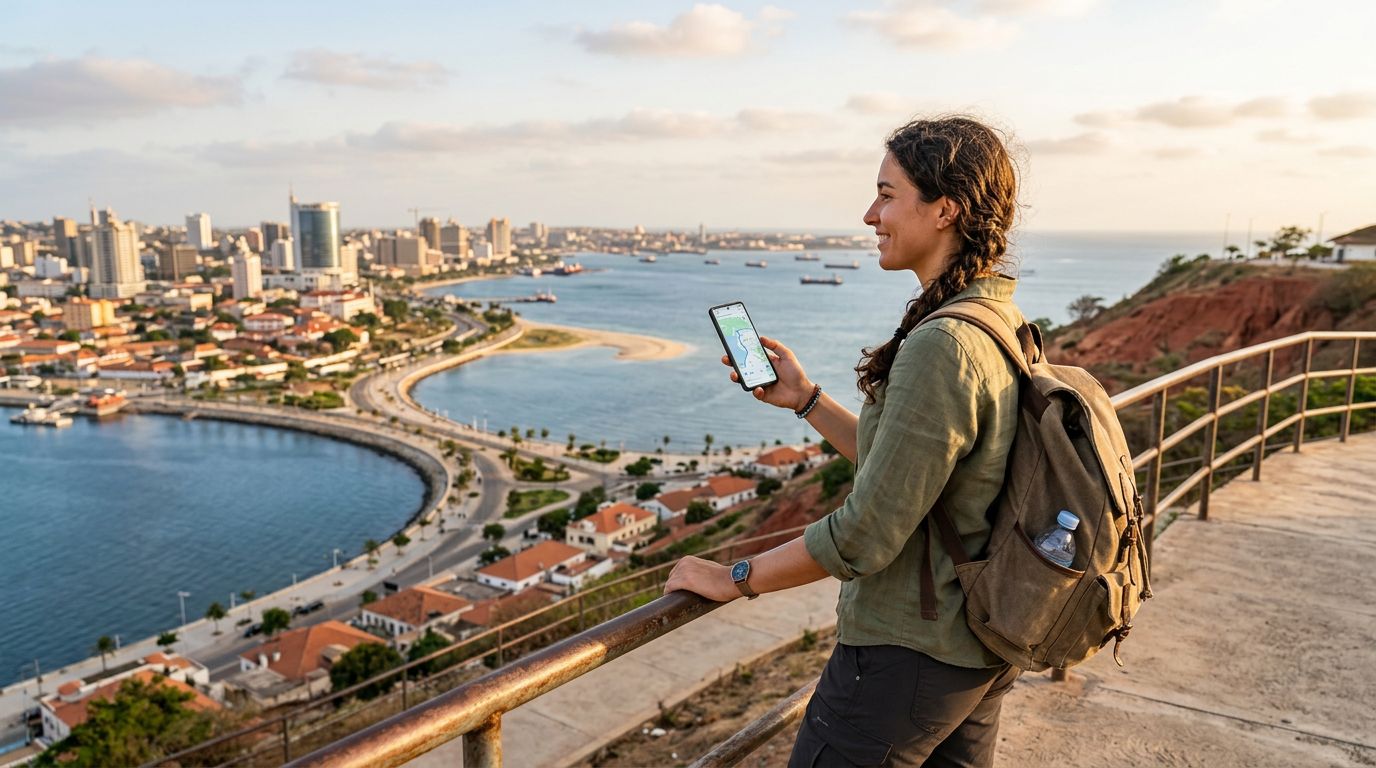
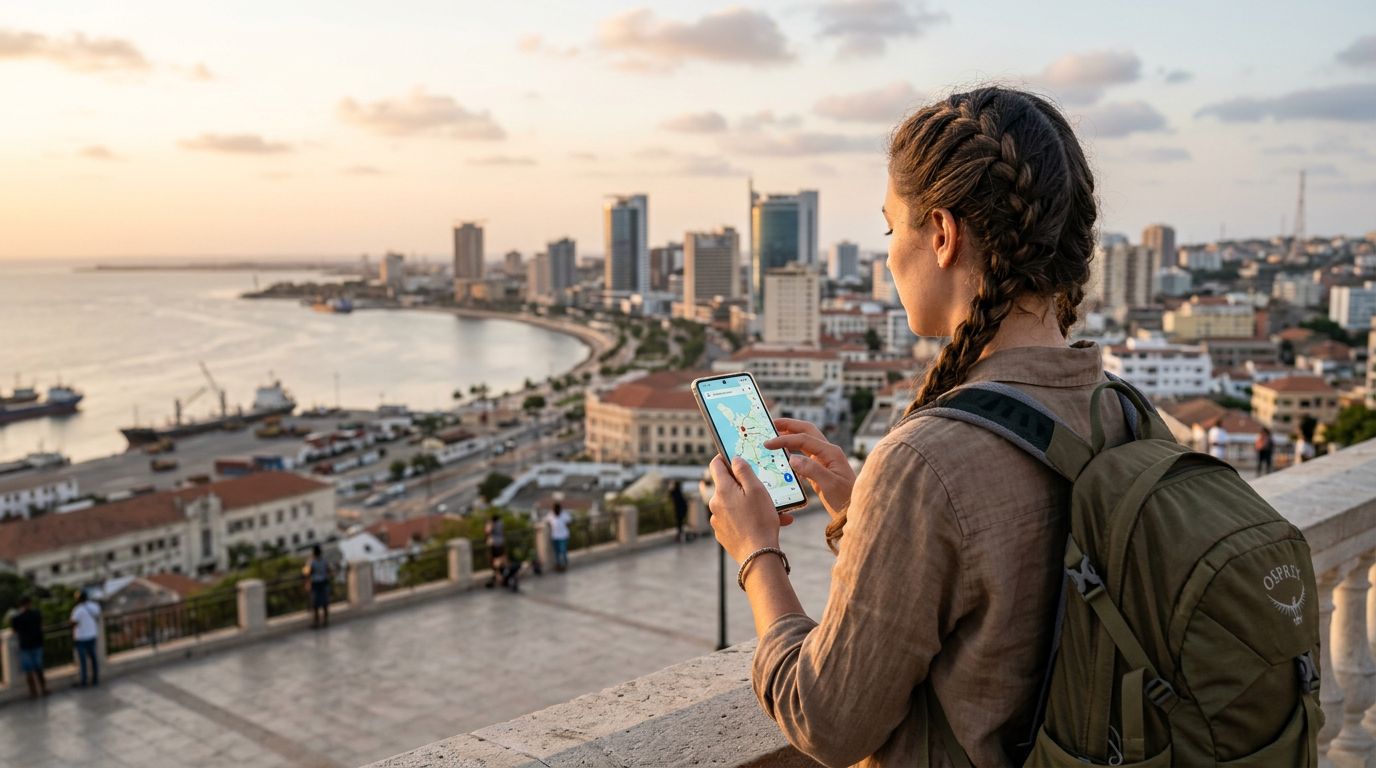
Additionally, downloading offline maps is a highly recommended practice. Whether you are navigating the city streets or planning a road trip to the interior, having local maps saved to your device ensures that you can find your way even if you temporarily lose cellular reception. You should also be mindful of automatic software updates, which can consume large amounts of data in the background. Setting your phone to only update apps over Wi-Fi is a simple way to preserve your eSIM data for essential tasks like navigation and communication.
If you find that you have exhausted your initial data allotment, many eSIM providers allow for easy top-ups. With OneTapSIM, you can monitor your usage and ensure that you remain connected throughout your stay. By preparing your device, verifying compatibility, and managing your data consumption wisely, you can enjoy a seamless travel experience in Angola, focusing on the sights and sounds of the country rather than the logistics of your mobile connection. Whether you are trekking through the desert or exploring the coastal markets, having a reliable digital connection provides the security and convenience necessary for a successful journey.