Understanding the Connectivity Landscape in Bahrain
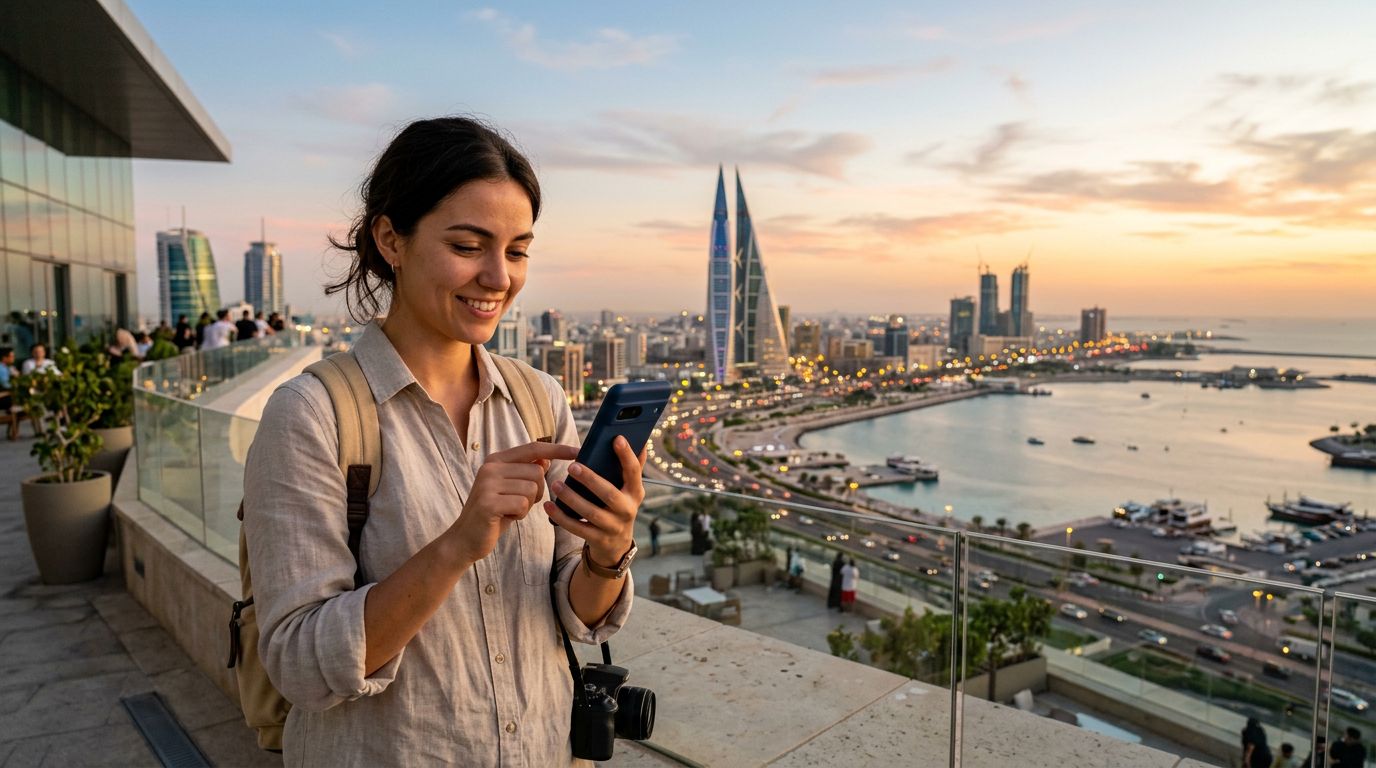
Planning a trip to the Kingdom of Bahrain involves checking off several logistical boxes, from hotel bookings to transportation arrangements. Among these, securing a reliable internet connection is arguably the most critical for a smooth experience. Whether you are visiting for the Formula 1 Grand Prix, exploring the ancient Dilmun civilization sites, or attending business meetings in Manama, you need consistent data. When comparing a traditional Bahrain SIM card vs eSIM, travelers often find themselves weighing convenience against the familiarity of physical hardware.
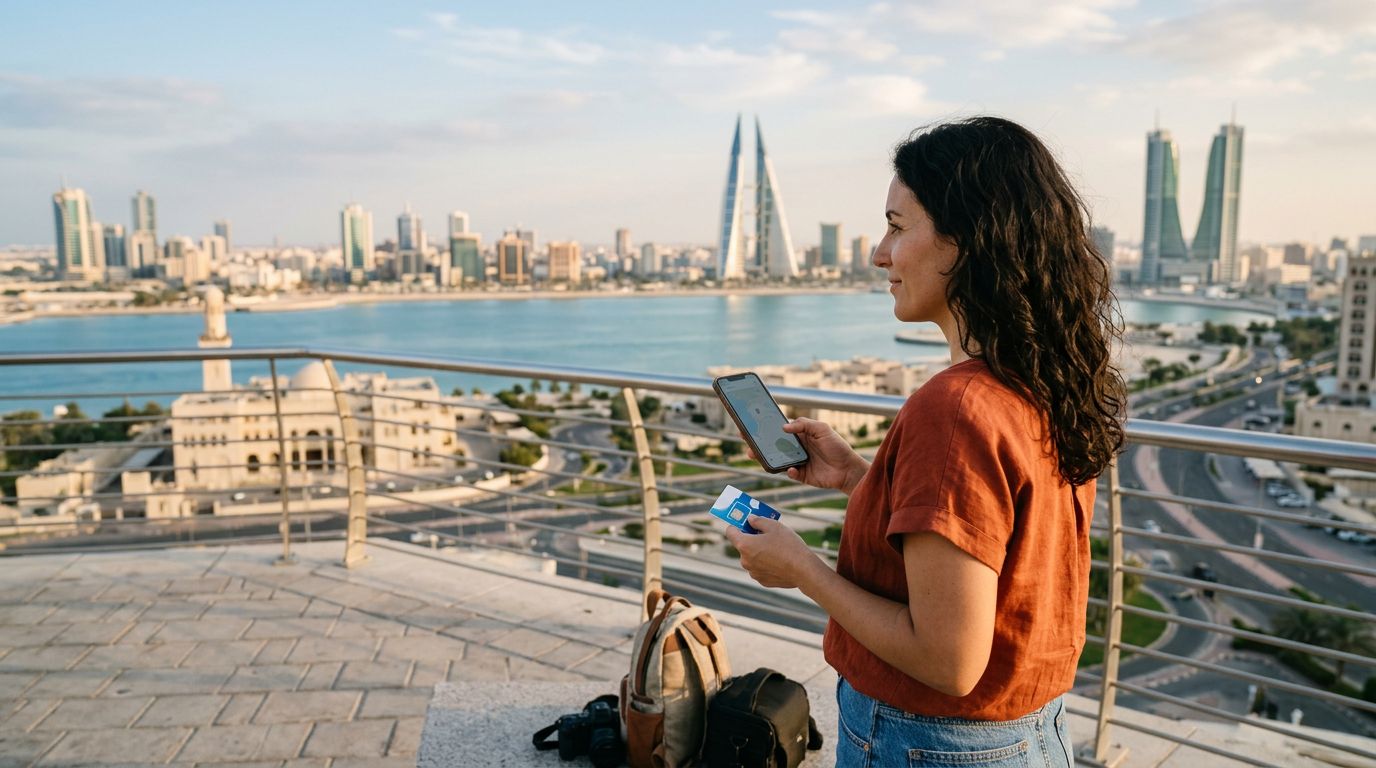
A physical SIM card has been the standard for decades. It requires you to visit a retail store, present your passport for registration, and physically swap the small plastic chip into your device. While this method is tried and true, it presents several friction points. You are often at the mercy of store operating hours, potential language barriers at kiosks, and the risk of losing or damaging your primary SIM card while it sits in your wallet or pocket.
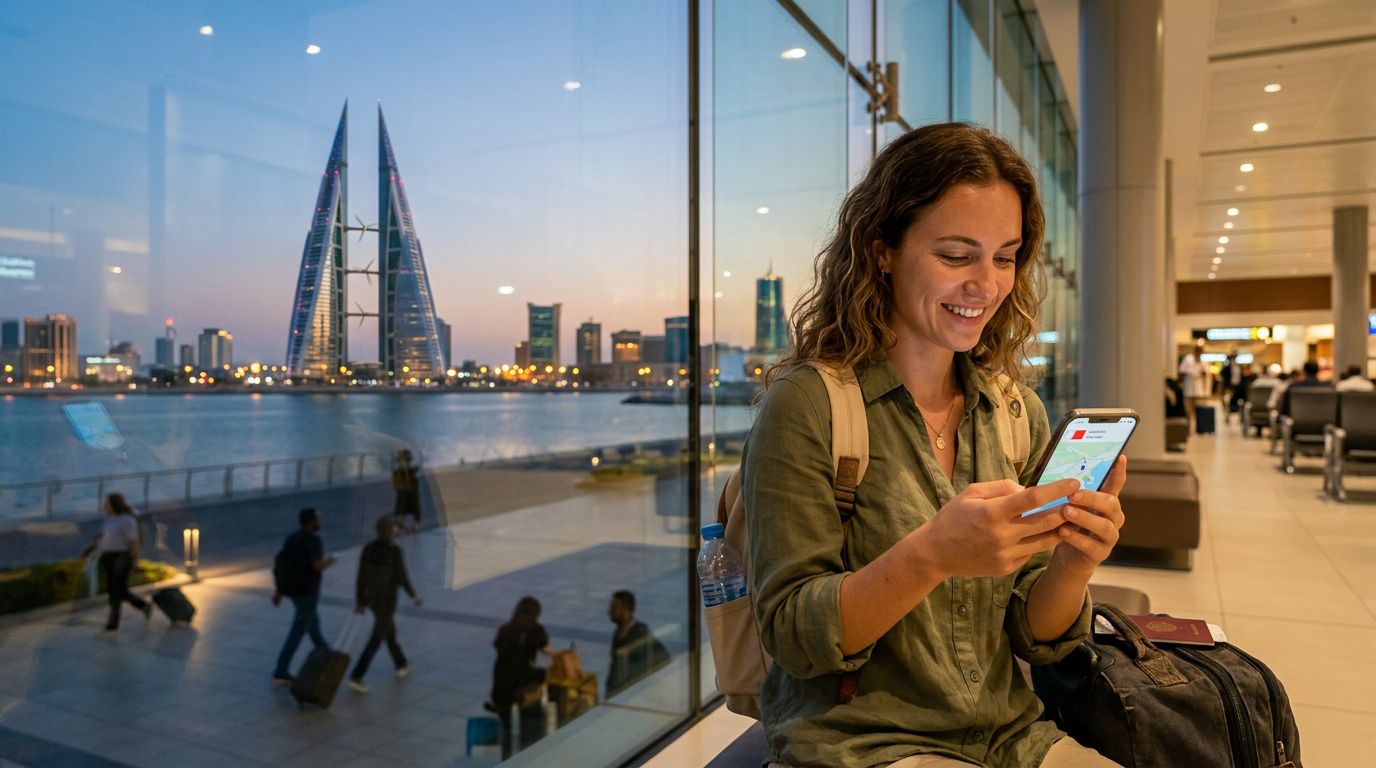
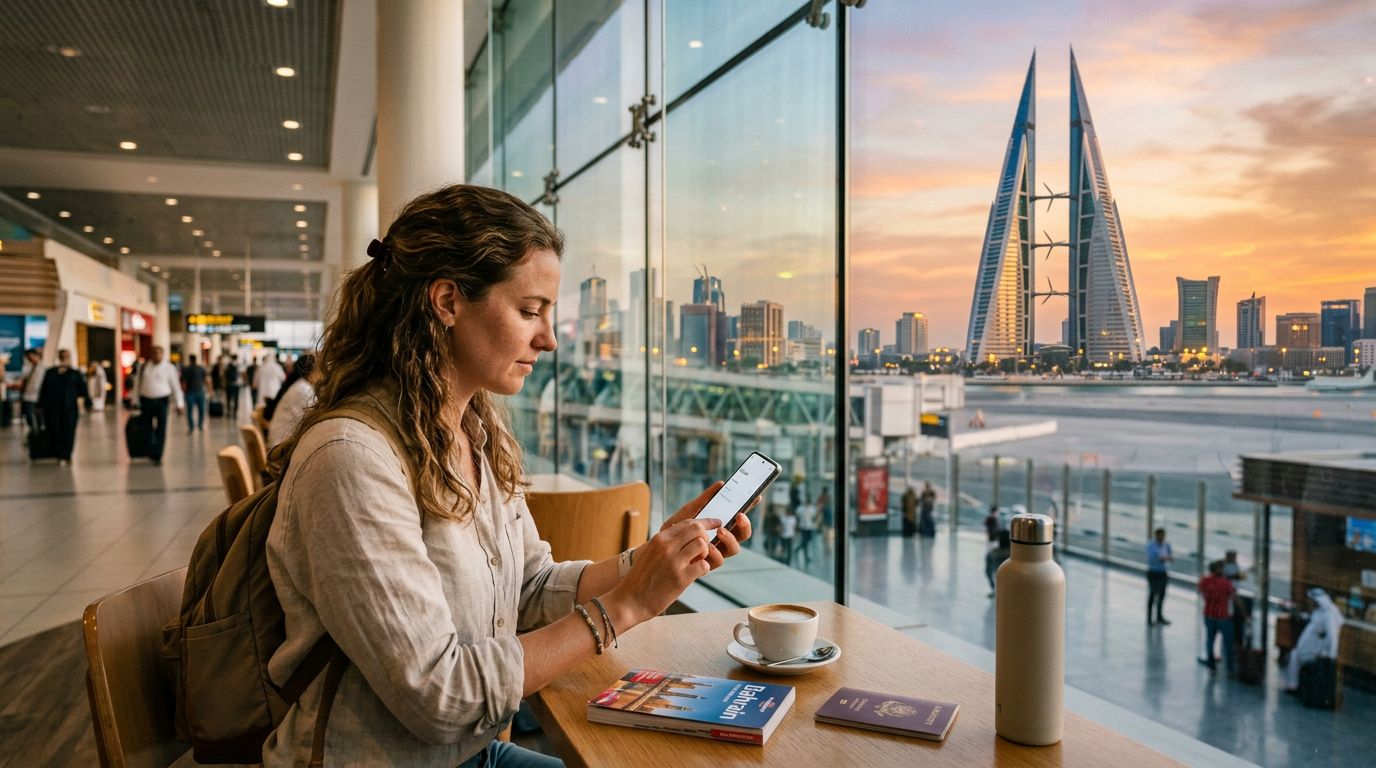
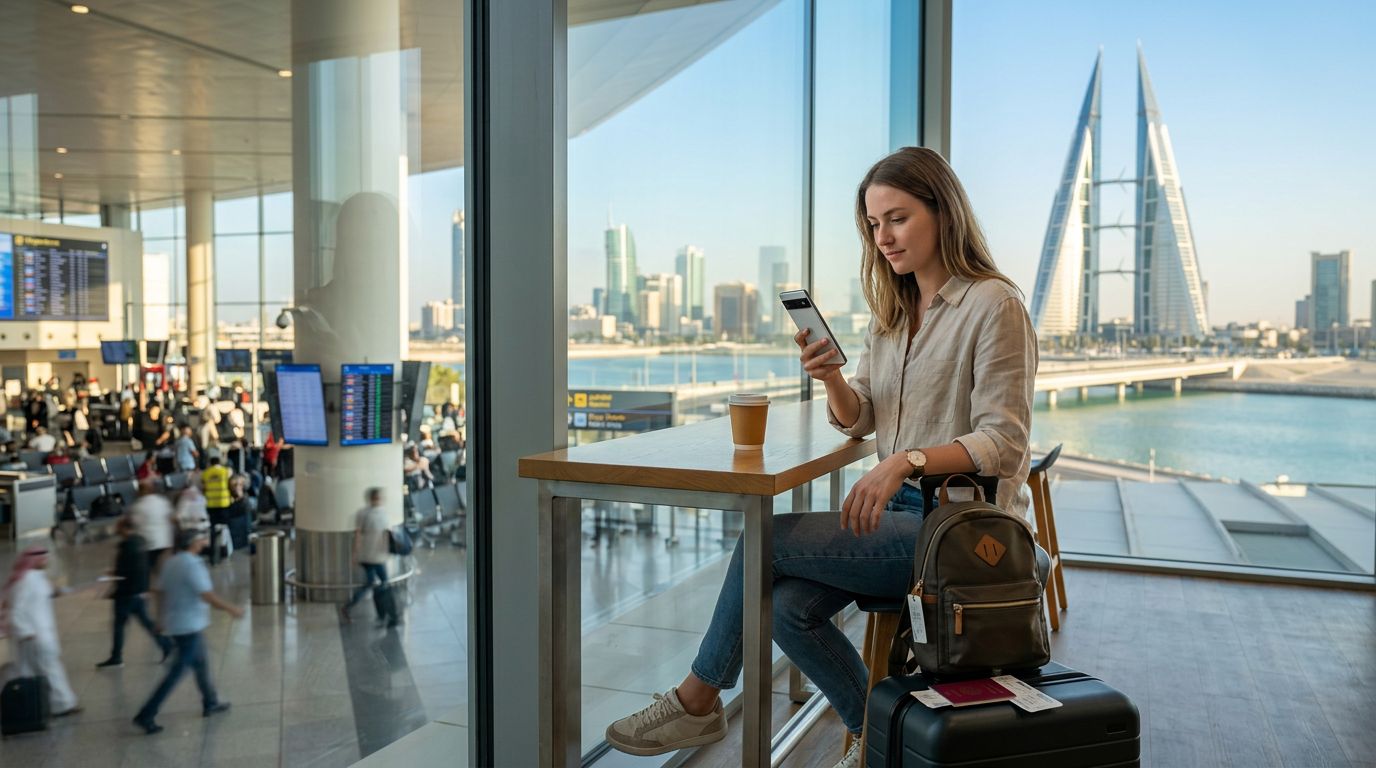
On the other hand, an eSIM—or embedded SIM—is a digital alternative. It is a small chip built into your smartphone’s motherboard. Instead of inserting a physical card, you download a data profile that allows your phone to connect to local networks instantly. For travelers arriving at Bahrain International Airport, the transition to digital connectivity represents a significant upgrade in efficiency, allowing you to bypass queues and start using data the moment you land.
Comparing Physical SIM Cards and eSIM Technology
The debate regarding a Bahrain SIM card vs eSIM usually centers on three core factors: convenience, device compatibility, and technical reliability.
Physical SIM cards are universally compatible with almost any mobile phone, regardless of its age. If you are traveling with an older device that does not support eSIM technology, a physical card remains your only viable option. Furthermore, some travelers prefer the tangible nature of a physical card, feeling that it offers a more "permanent" sense of connection. However, the process of acquiring one in Bahrain can be time-consuming. You must find a provider at the airport or in a city shopping mall, provide your identification, and wait for the staff to activate the service.
eSIM technology changes this workflow entirely. With a service like OneTapSIM, you can purchase and install your data plan before you even leave your home country. By the time your plane touches down in Manama, your device is already configured to connect to the local network. This eliminates the need to hunt for a store or deal with physical installation during the initial stress of arrival.
Another technical advantage of eSIMs is the ability to manage multiple profiles. Many modern smartphones allow you to store several eSIMs simultaneously. This means you can keep your home SIM active for calls or SMS while using your eSIM for data. This dual-SIM capability ensures you never miss important messages from home while maintaining high-speed internet access in Bahrain. If you are unsure if your device supports this, you can check the official documentation on the apple.com or google.com support pages to verify your handset's capabilities.
Making the Right Choice for Your Bahrain Adventure
When you weigh the pros and cons of a Bahrain SIM card vs eSIM, the decision often comes down to your personal travel style and technical setup. If you are a minimalist traveler who values efficiency and wants to avoid the hassle of retail stores, the eSIM is the clear winner. It is environmentally friendly, reduces the risk of losing your original SIM card, and allows for instant activation.
For those who choose the eSIM route, the process is straightforward. You select a data package that fits your usage needs, receive a QR code or an activation link, and follow the prompts on your phone settings. OneTapSIM simplifies this further by providing clear, step-by-step instructions that ensure your device is ready for the local network upon arrival. This level of preparation provides peace of mind, especially if you are arriving late at night or during a holiday when local kiosks might be closed.
However, consider the physical SIM card if you are traveling with a group where others might not have modern devices, or if you are planning an extended stay where you might need a local phone number for frequent domestic calls. In those specific scenarios, the traditional route might offer a slight advantage in terms of voice-call integration.
Ultimately, the goal of your connectivity strategy should be to minimize friction. You want to spend your time enjoying the Bahraini hospitality, visiting the Bahrain National Museum, or walking through the Bab Al Bahrain souq, rather than troubleshooting mobile network settings. By comparing your device capabilities and your specific data requirements, you can choose the option that keeps you connected without interruption. Whether you stick with the traditional physical card or embrace the flexibility of an eSIM, planning ahead is the most important step for a successful journey. Most modern travelers find that the digital transition to eSIM offers a superior experience, allowing them to focus on the sights and sounds of the Kingdom rather than the logistics of their mobile connection.