The Reality of Connectivity Upon Arrival
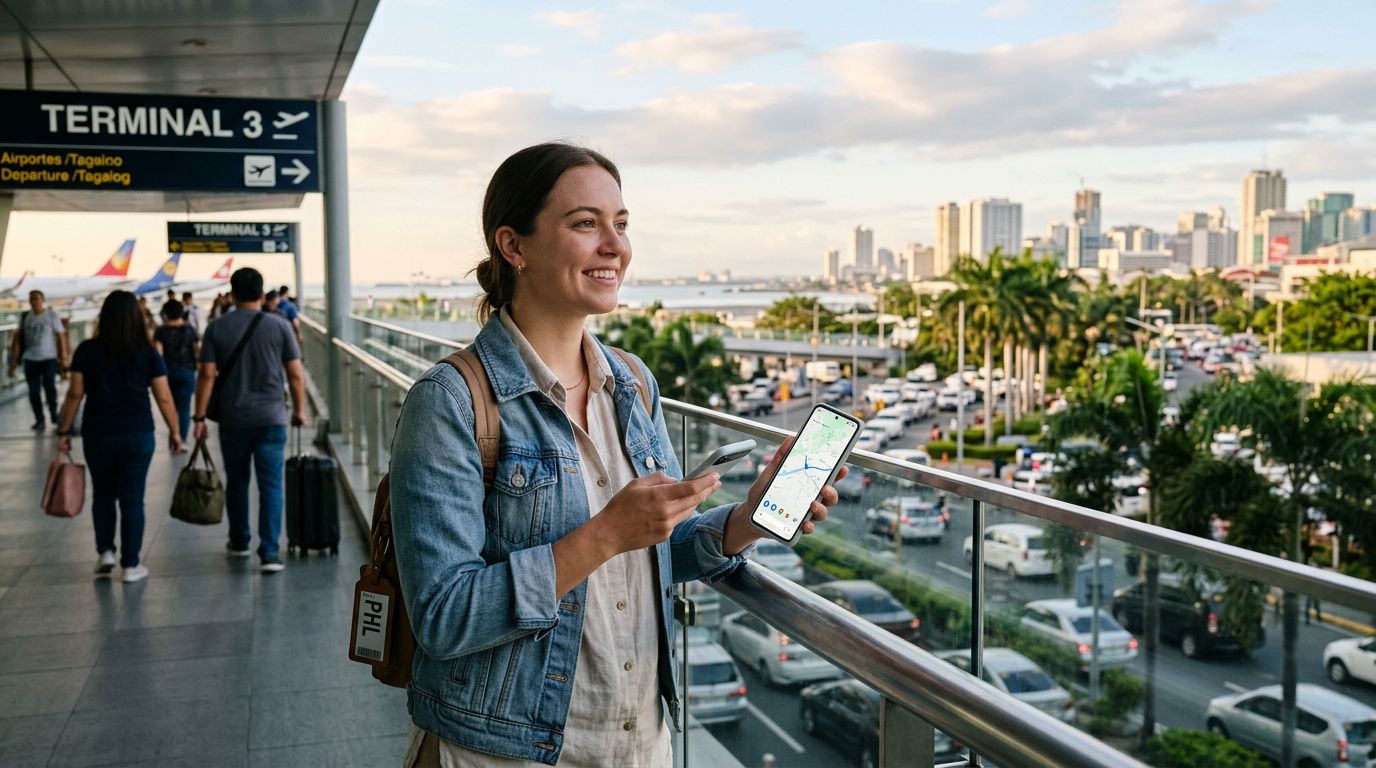
Stepping off a plane in the Philippines, the first thing most travelers look for is a way to connect to the internet. Whether you are trying to book a ride-sharing service, check your hotel reservation, or simply let your family know you have landed safely, mobile data is essential. For years, the standard procedure involved heading straight to the physical kiosks located in the arrivals hall to purchase a local plastic SIM card.
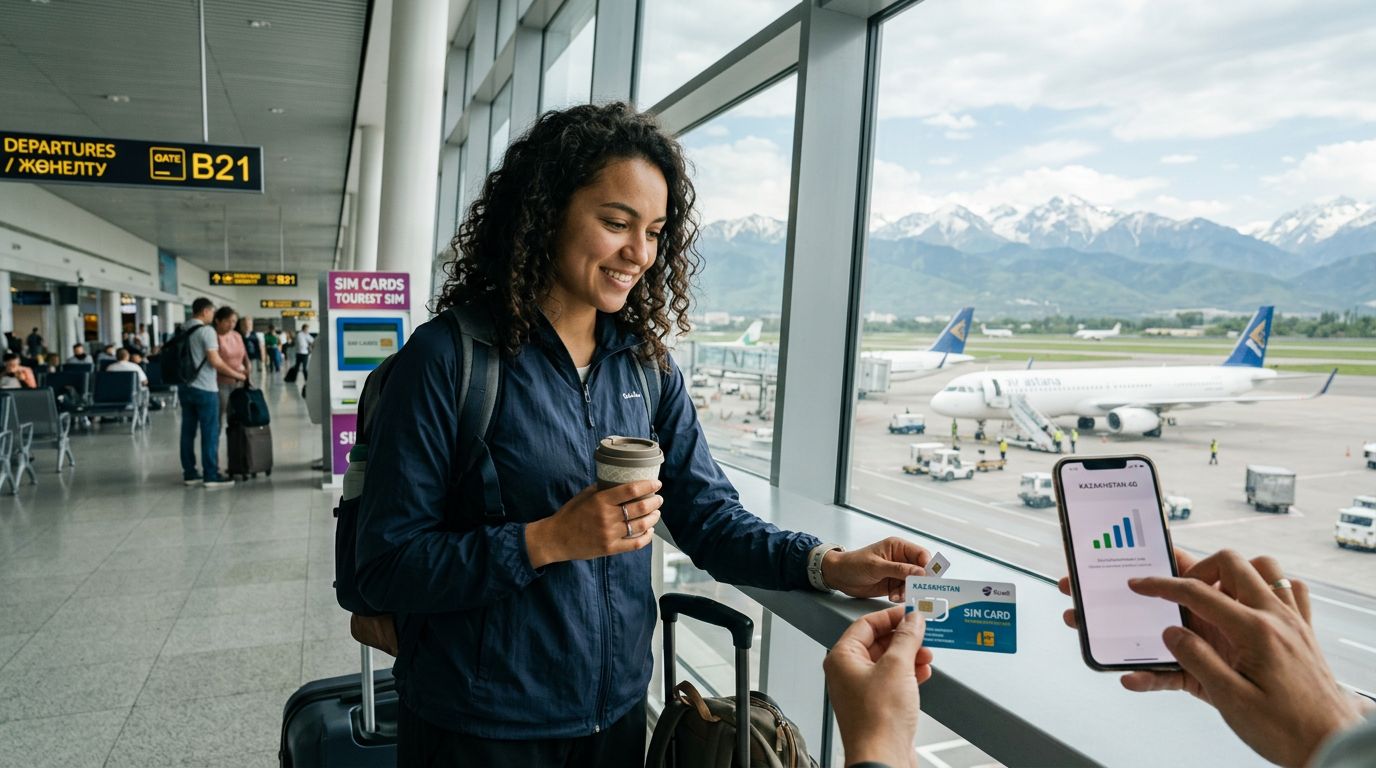
However, the landscape of mobile connectivity has shifted significantly. When comparing an airport SIM vs eSIM in the Philippines, you are essentially choosing between the traditional, hardware-dependent method and a modern, software-based solution. Physical SIM cards require you to physically swap out your home SIM, which carries the risk of losing your original card. Furthermore, airport kiosks are often crowded, requiring you to wait in long lines after a tiring flight.
An eSIM, by contrast, is a digital SIM embedded directly into your device. It eliminates the need for physical cards and allows you to activate your mobile plan before you even leave your home country. By the time your wheels touch down on the tarmac in Manila or Cebu, your phone is already prepared to connect to a local network.
Comparing Convenience and Reliability
The primary advantage of choosing an eSIM over a physical airport SIM is the sheer convenience of the setup process. When you purchase a physical SIM at an airport, you are at the mercy of the kiosk’s operating hours and the speed of the staff. If you arrive on a late-night flight, you might find the counters closed or understaffed. Even if they are open, the process of registering the SIM card—which is a legal requirement in the Philippines—can be time-consuming and tedious.
With an eSIM, you handle the registration and activation process through your device settings. Services like OneTapSIM streamline this experience by providing clear instructions on how to install your profile. Because the eSIM is digital, you do not have to worry about the physical fragility of a tiny plastic chip or the frustration of finding a paperclip to eject your SIM tray.
Reliability is another factor to consider. Airport SIM cards are often sold as generic tourist packages that may prioritize volume over quality. When you use a specialized eSIM provider, you are often granted access to the same robust local network infrastructure that residents use. This means you are less likely to experience throttling or sudden drops in service. Furthermore, because you have activated your connection in advance, you avoid the "dead zone" that often occurs between exiting the terminal and finding a reliable Wi-Fi signal to set up your phone.
Compatibility and Device Requirements
Before deciding between an airport SIM vs eSIM in the Philippines, you must ensure your hardware is capable of supporting the technology. Most modern smartphones released in the last few years are eSIM-compatible. If you are using a recent model from major manufacturers, your device likely supports dual-SIM functionality, meaning you can keep your home SIM active for calls and texts while using the eSIM exclusively for data.
To verify your device's capabilities, you can consult the official support pages provided by Apple or Google. Generally, if your phone was purchased from a major carrier, it must be unlocked to accept an eSIM from a different provider. If your phone is locked to your home carrier, you will not be able to add an international eSIM, which would force you to rely on a physical SIM card regardless of your preference.
For those whose devices are compatible, the transition to eSIM is seamless. You simply scan a QR code or enter the activation details provided by your service provider, and your phone manages the rest. This digital approach is not only more efficient but also more secure. You never have to hand your phone over to a kiosk employee to have them swap cards and configure settings. You maintain full control over your device and your data settings throughout your entire trip.
Making the Right Choice for Your Trip
When weighing the pros and cons of an airport SIM vs eSIM in the Philippines, the decision ultimately comes down to how much you value your time and peace of mind. Travelers who prefer a hands-off approach and do not mind waiting in queues might still find value in the traditional airport kiosk method. It is a familiar process that has served tourists for decades.
However, for the modern traveler, the eSIM offers a level of autonomy that is difficult to match. By preparing your connectivity ahead of time, you remove a major source of travel anxiety. You can walk out of the airport and immediately call a car, check your maps, or look up restaurant recommendations without searching for a vendor or struggling with a physical card installation.
OneTapSIM provides a reliable bridge for those looking to transition to this digital-first approach. By focusing on ease of installation and consistent network performance, it helps ensure that your Philippine adventure remains focused on the experience rather than the logistics of staying online. Whether you are island hopping through Palawan or exploring the urban centers of the capital, having a stable, pre-activated data connection allows you to move with confidence.
In summary, while the physical airport SIM remains an option, the shift toward eSIM technology is clear. It is faster, more secure, and significantly more convenient for those who want to hit the ground running. Before your next flight, check your device compatibility, select a plan that fits your data needs, and enjoy the freedom that comes with having a digital connection ready the moment you land.