Why Reliable Connectivity is Essential for Polish Road Trips
Poland is a country of immense geographical diversity. From the rugged peaks of the Tatra Mountains in the south to the serene, windswept beaches of the Baltic Sea in the north, the landscape invites exploration. Whether you are planning a scenic drive through the rolling hills of the Masurian Lake District or attempting to find a hidden pierogi shop in the winding, medieval streets of Kraków’s Old Town, having a constant internet connection is no longer a luxury—it is a fundamental travel tool.
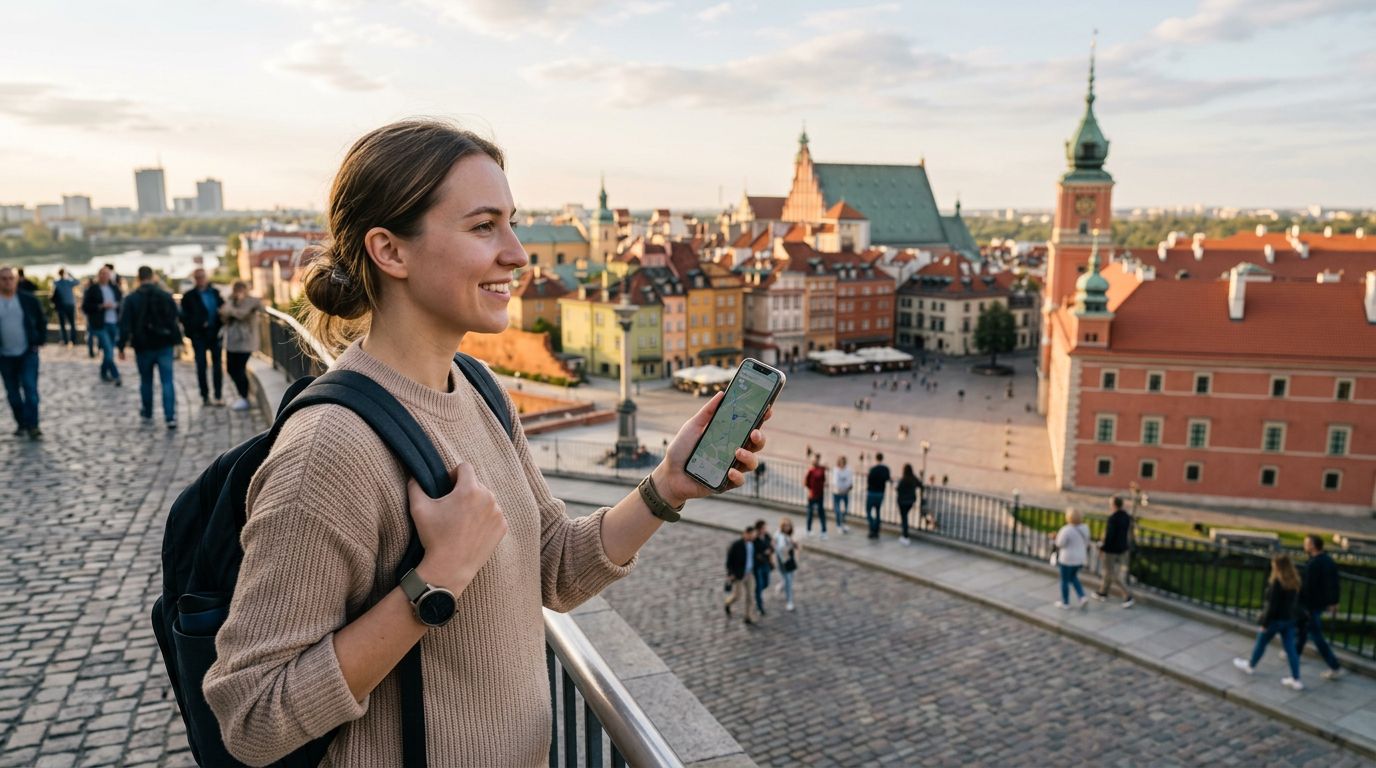
When you are behind the wheel or navigating public transit in a foreign country, the last thing you want is a sudden loss of signal. Traditional roaming can be notoriously unreliable, often defaulting to slower speeds or suffering from restrictive data caps that throttle your connection right when you need it most. This is where using navigation apps with an eSIM in Poland changes the travel experience. By opting for a digital SIM, you ensure that your device stays connected to local cellular networks, providing the high-speed data necessary to keep your maps loading, your traffic updates current, and your GPS signal locked.
Reliability is particularly important when moving between urban centers and rural provinces. While major highways are generally well-covered, the beauty of Poland often lies in the smaller, secondary roads that connect historic villages. Using an eSIM allows your phone to prioritize local towers, effectively acting as a local resident would. This consistency prevents the dreaded "recalculating" loop that occurs when your phone loses its connection in a remote area, ensuring that you reach your destination without unnecessary detours or stress.
Optimizing Your Navigation Experience with eSIM Data
To make the most of your digital connection, it is important to understand how your smartphone handles data while you are on the move. When you arrive in Poland, your eSIM should be set as the primary source for cellular data. This ensures that your navigation apps—such as Google Maps or Waze—are drawing from a stable, high-speed pool of data rather than relying on inconsistent hotel Wi-Fi or expensive roaming agreements.
One of the primary advantages of using OneTapSIM for your Polish travels is the simplicity of the setup. Once the eSIM is installed on your device, it operates in the background, allowing you to focus on the road. Because these data plans are designed specifically for travelers, they are optimized for the types of tasks you actually perform while abroad. Navigation apps require a steady, low-latency stream of data to update traffic conditions in real-time. A robust eSIM connection ensures that if there is a traffic jam on the A4 motorway or an unexpected road closure in Warsaw, your app will receive that information instantly, allowing you to choose an alternative route before you get stuck.
Beyond simple turn-by-turn directions, your data connection powers the secondary features that make navigation easier. You can use your eSIM data to check reviews for parking garages near your destination, look up the operating hours of a museum you are driving toward, or even translate local road signs if you are unsure of the specific instructions. By maintaining a dedicated data stream, you turn your smartphone into a comprehensive travel assistant. It is also a good practice to download offline maps for the regions you plan to visit. While your eSIM will provide the necessary connectivity for live updates, having a backup map stored on your device ensures that even if you pass through a rare "dead zone" in a deep forest, your location pin will continue to track your progress accurately.
Practical Tips for Seamless Connectivity Across Poland
Successfully using navigation apps with an eSIM in Poland requires a bit of preparation before you leave home. First, ensure that your smartphone is carrier-unlocked. This is a common hurdle for many travelers; if your phone is locked to your home provider, it will not accept the digital profile of an eSIM. You can verify this in your device settings or by contacting your home carrier before your departure.
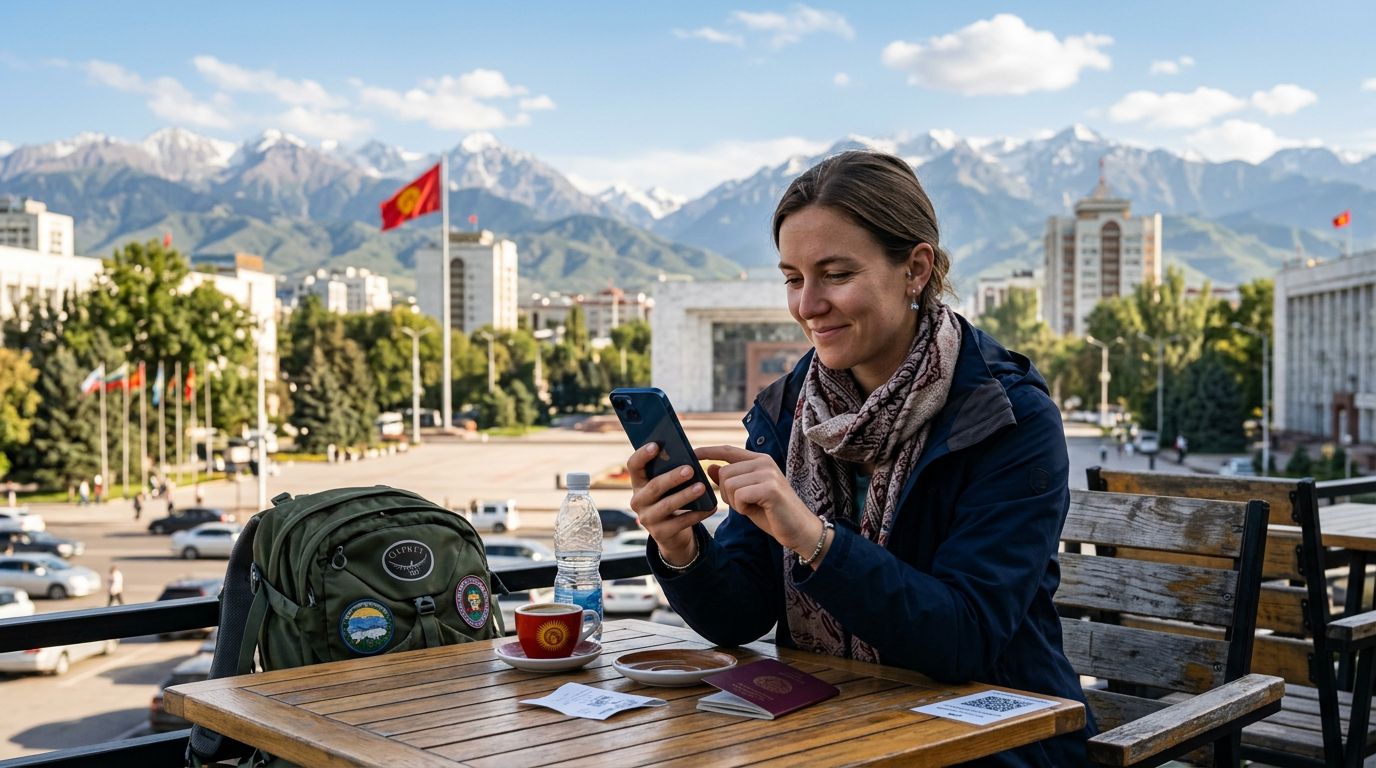
Once you have confirmed compatibility, the installation process is straightforward. With OneTapSIM, you receive instructions that allow you to add the data plan to your phone’s digital wallet or settings menu. It is best to complete this setup while you still have a stable Wi-Fi connection—perhaps at the airport or in your home before you board your flight. Once you land in Poland, you simply toggle the eSIM to "On" in your cellular settings.
Battery management is another critical aspect of using navigation apps while traveling. GPS and constant data usage are among the most power-intensive tasks for a smartphone. To keep your phone running throughout a long day of driving or walking, consider carrying a portable power bank. Additionally, you can adjust your phone settings to limit background data usage for apps that do not require constant updates, ensuring that your data allocation is focused entirely on your navigation needs.
Finally, remember that your eSIM is a dedicated data line. This means you can keep your primary phone number active for emergencies or important calls while your eSIM handles all the heavy lifting for your maps and internet browsing. This separation is ideal for travelers who want to remain reachable by family or colleagues without paying the high costs of international roaming data. By planning ahead and utilizing a reliable service, you can navigate Poland with the confidence of a local, turning every drive into a smooth and enjoyable part of your journey. Whether you are navigating the complex interchanges of Wrocław or finding your way through the dense forests of the east, having a dedicated, high-speed connection is the key to a successful and stress-free Polish adventure.
Get an eSIM for
Plans for the destinations covered in this guide, with instant QR delivery.