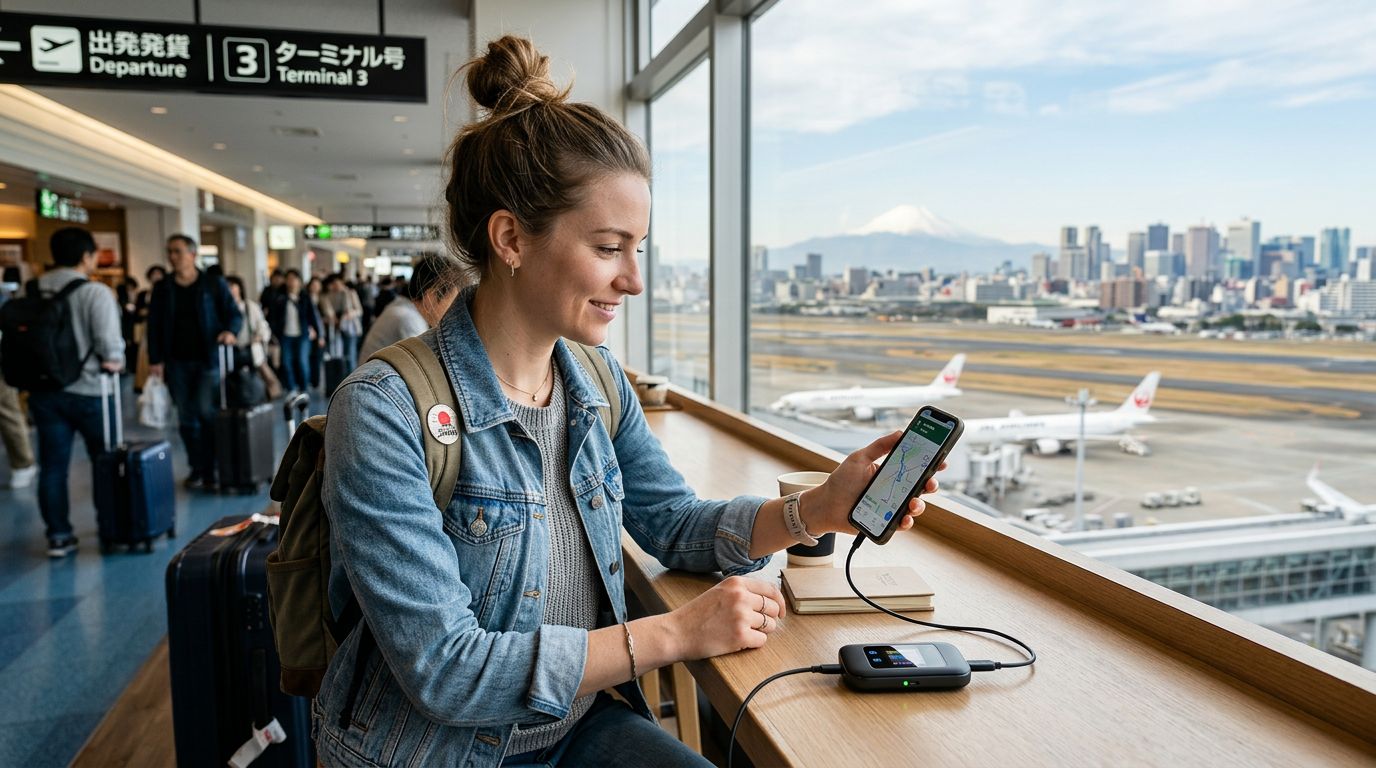
Planning a trip to Japan involves many logistical choices, but few are as critical as deciding how you will stay connected. Whether you are navigating the intricate subway systems of Tokyo, searching for hidden ramen shops in Osaka, or translating signs in rural Kyoto, a reliable internet connection is essential. When comparing pocket WiFi vs eSIM for Japan, travelers often find themselves weighing convenience against tradition. Understanding the functional differences between these two technologies will help you choose the option that best fits your travel style.
The Evolution of Connectivity: Understanding Pocket WiFi
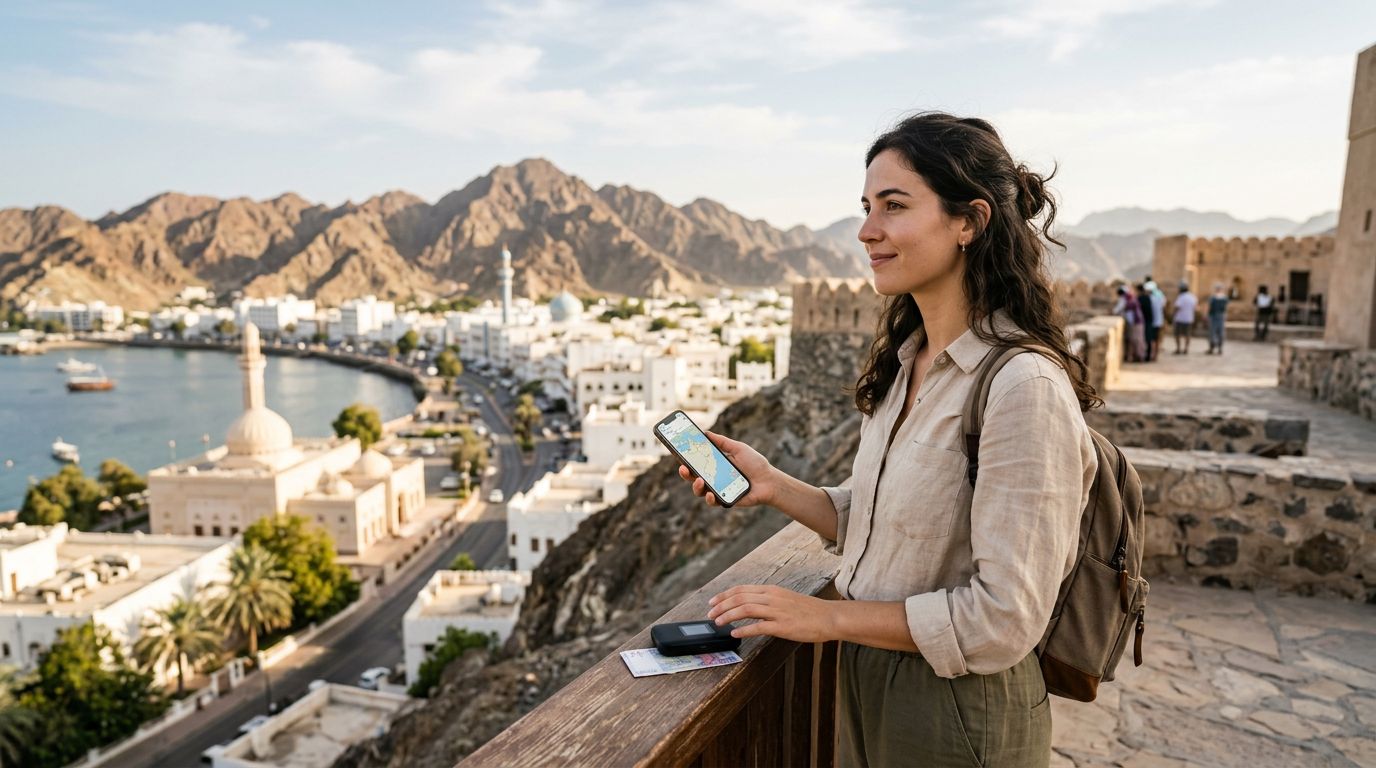
A pocket WiFi device, also known as a mobile hotspot, is a portable router that creates a private wireless network. To use one, you typically rent the device from a provider, pick it up at the airport upon arrival, and carry it with you throughout your trip. It functions by connecting to local cellular towers and broadcasting a WiFi signal that your smartphone, tablet, and laptop can join.
The primary advantage of a pocket WiFi device is its ability to support multiple devices simultaneously. If you are traveling as a family or a group, a single hotspot can provide connectivity for everyone, which can be cost-effective. Furthermore, because it acts as a standalone device, it does not consume your phone’s battery for tethering purposes, and it avoids potential compatibility issues with locked smartphones.
However, there are notable drawbacks to this method. The most significant is the physical burden. You must carry the device, ensure it stays charged throughout the day, and keep track of the charging cable and power bank. If you forget to charge it overnight, you will be without connectivity the following morning. Additionally, you are responsible for the hardware; losing or damaging the device can result in significant penalties. You also have to manage the logistics of picking up the device at the start of your trip and returning it before you depart, which can be stressful if your flight times are inconvenient.
The Modern Alternative: Why eSIM is Changing Travel
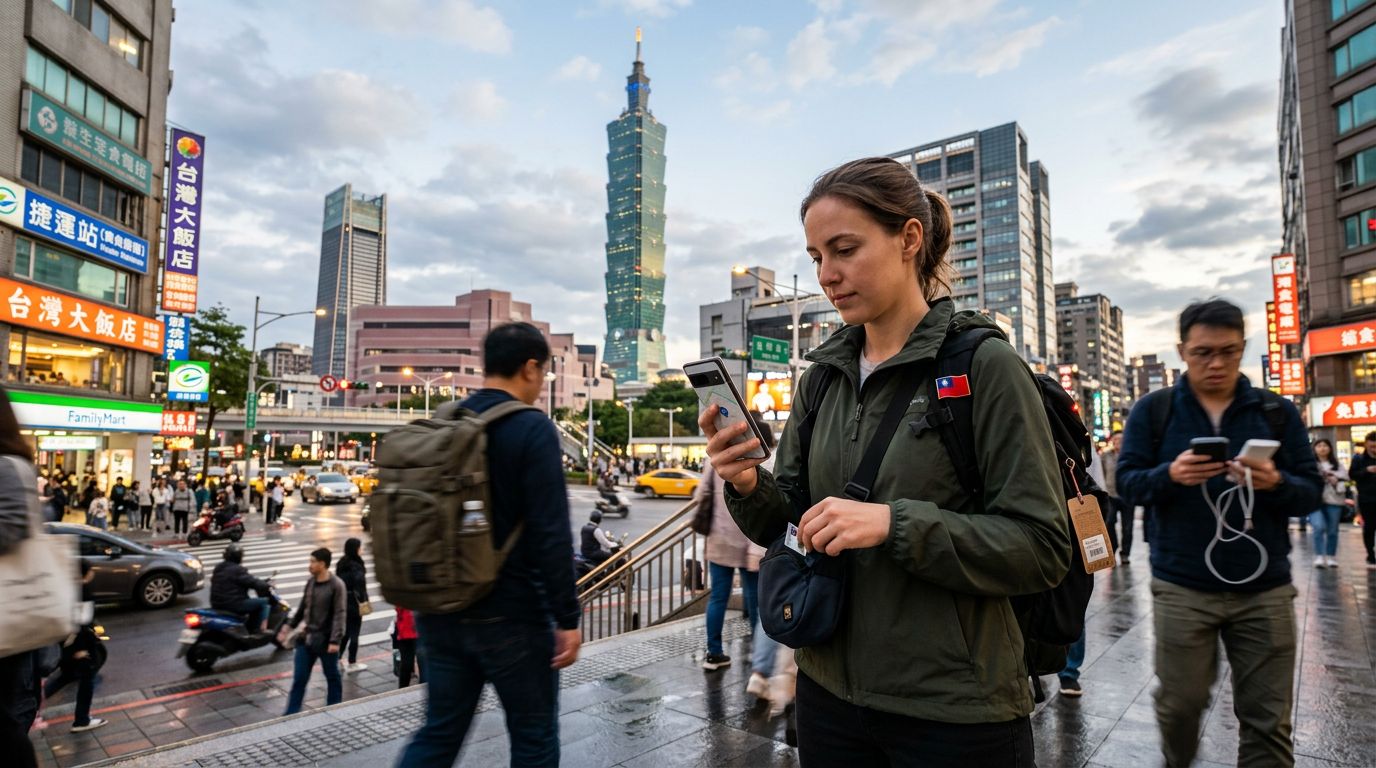
An eSIM, or embedded SIM, is a digital version of the physical SIM card you have used in your phone for years. Instead of inserting a plastic chip, you activate your data plan by scanning a QR code or installing a profile directly onto your device. Because the technology is built into the hardware of modern smartphones, the transition is seamless and requires no physical hardware swaps.
The convenience of an eSIM is unparalleled for the solo traveler or the tech-savvy tourist. With a service like OneTapSIM, you can purchase and install your data plan before you even leave your home country. As soon as your plane touches down at Narita or Haneda, you simply toggle your settings, and you are immediately connected to the local network. There is no need to visit a rental counter, wait in line, or worry about returning hardware at the end of your stay.
Beyond the logistical ease, eSIMs provide a much cleaner user experience. Since the connection is integrated into your phone, you do not have to worry about range; as long as your phone is in your pocket, you have access to the internet. You can continue to use your primary phone number for calls or texts if your device supports dual-SIM functionality, allowing you to keep your home number active for important messages while using the eSIM for high-speed data. This eliminates the risk of losing a rental device and removes the constant anxiety of monitoring a secondary battery level.
Making the Final Decision: Which Option Fits Your Trip?
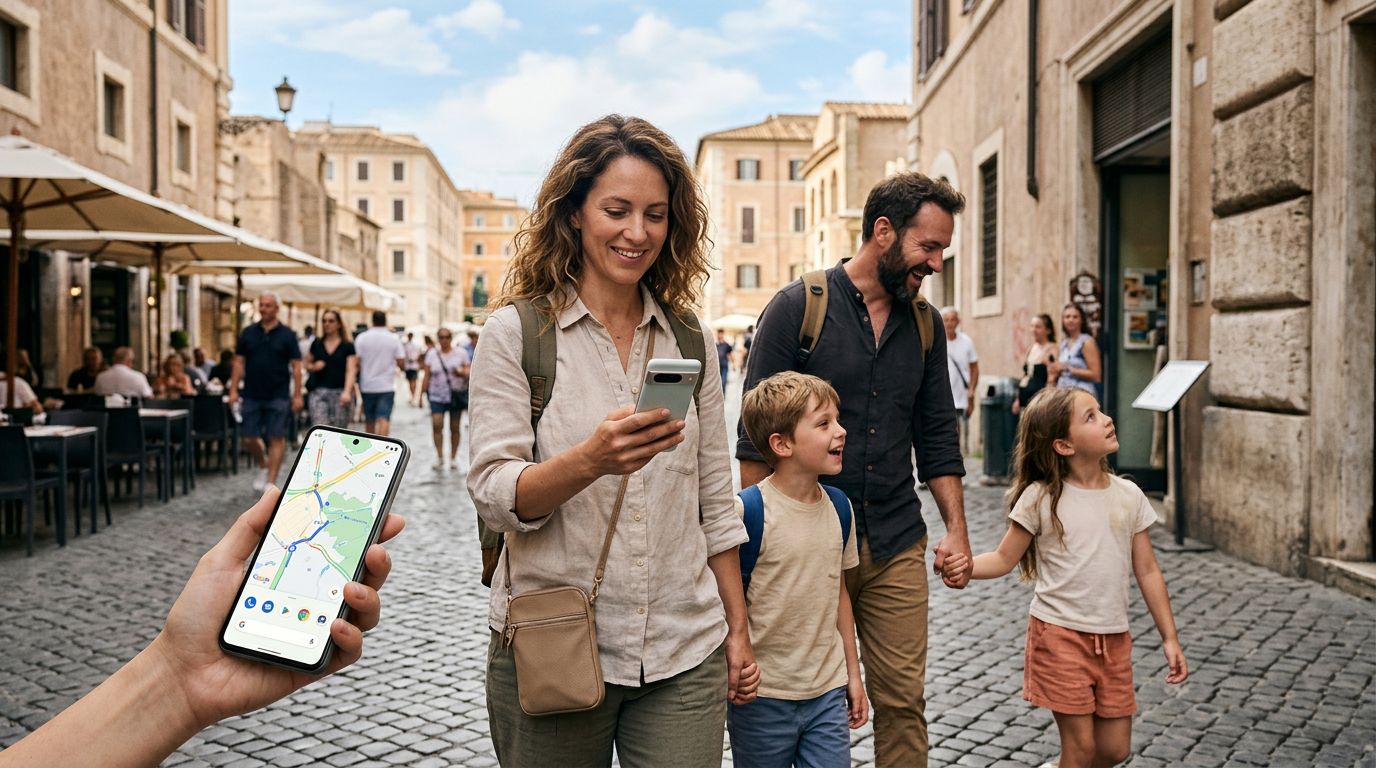
When choosing between these two connectivity methods, consider the nature of your itinerary. If you are traveling in a large group of four or more people who will never be more than a few feet apart, a pocket WiFi device might offer a centralized solution. However, even in group settings, many travelers are finding that individual eSIMs provide more freedom. If your group decides to split up—perhaps one person wants to visit a museum while another shops—a pocket WiFi device becomes a liability, as the person without the device loses their connection.
For most modern travelers, the eSIM is the superior choice. It is lightweight, reliable, and environmentally friendly, as it eliminates the need for shipping plastic devices and lithium-ion batteries back and forth across the globe. The setup process is straightforward, and once configured, it functions exactly like your home data plan. You maintain full control over your connectivity without the overhead of hardware management.
Compatibility is the only real hurdle to consider. Before choosing an eSIM, ensure your smartphone is unlocked and supports eSIM technology. Most flagship devices released in the last few years are fully compatible, but a quick check in your device settings will confirm your eligibility. If your phone supports it, the transition to a digital plan is the most efficient way to manage your data needs in Japan.
Ultimately, your goal in Japan should be to enjoy the culture, the food, and the scenery without being tethered to a bulky router or worrying about return deadlines. By opting for an eSIM, you streamline your travel experience, ensuring that you have instant access to maps, translation tools, and communication apps from the moment you arrive. Whether you are navigating the neon-lit streets of Shinjuku or exploring the quiet temples of Nara, having a reliable, invisible connection allows you to focus on the experience rather than the logistics of your internet access. As you prepare for your journey, consider the simplicity of a digital-first approach and see how it transforms the way you move through Japan.