Understanding the Connectivity Landscape in Jersey
Jersey, the largest of the Channel Islands, offers a unique blend of British charm and French influence. Whether you are visiting for the rugged coastal hikes, the historic castles, or the tranquil beaches, staying connected is essential for maps, translation apps, and sharing your travel experiences. When planning your trip, the choice between a traditional physical SIM card and an eSIM is a common point of deliberation.
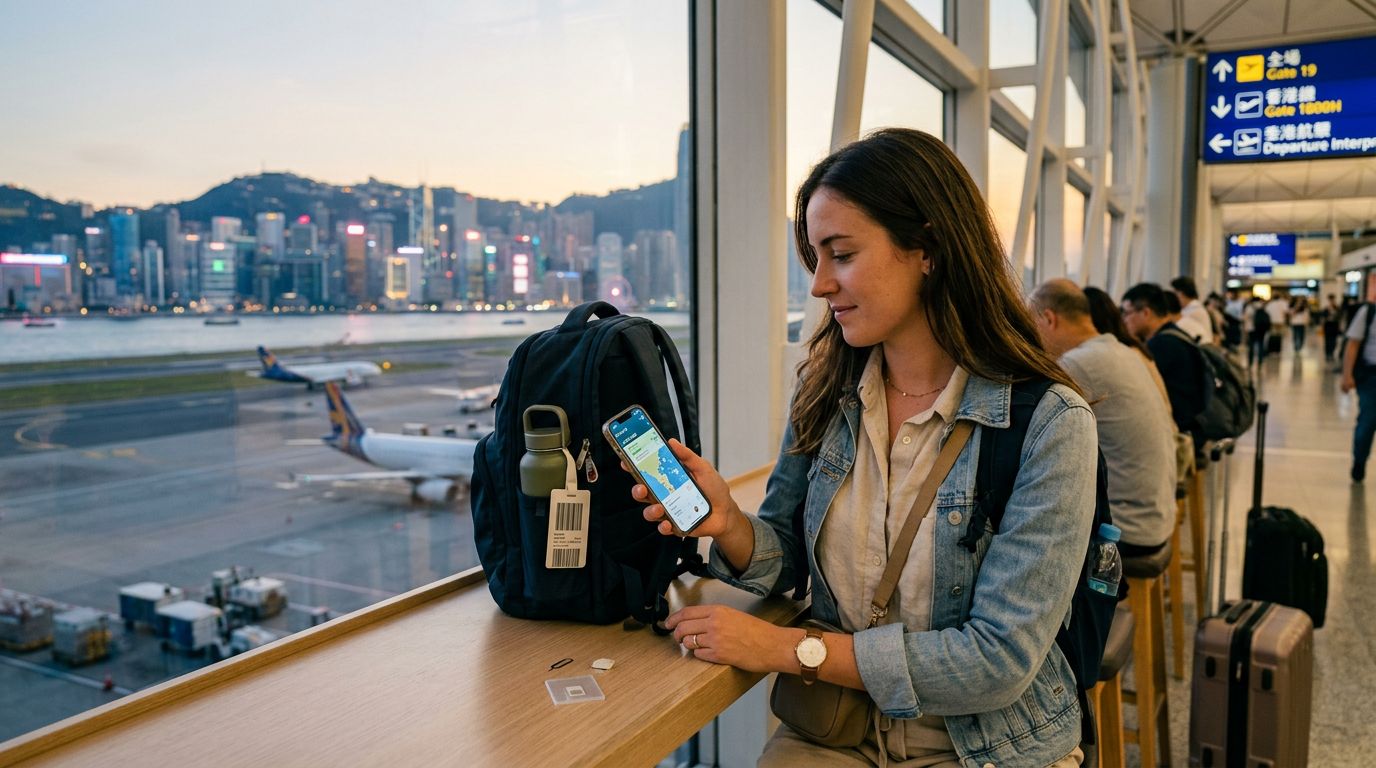
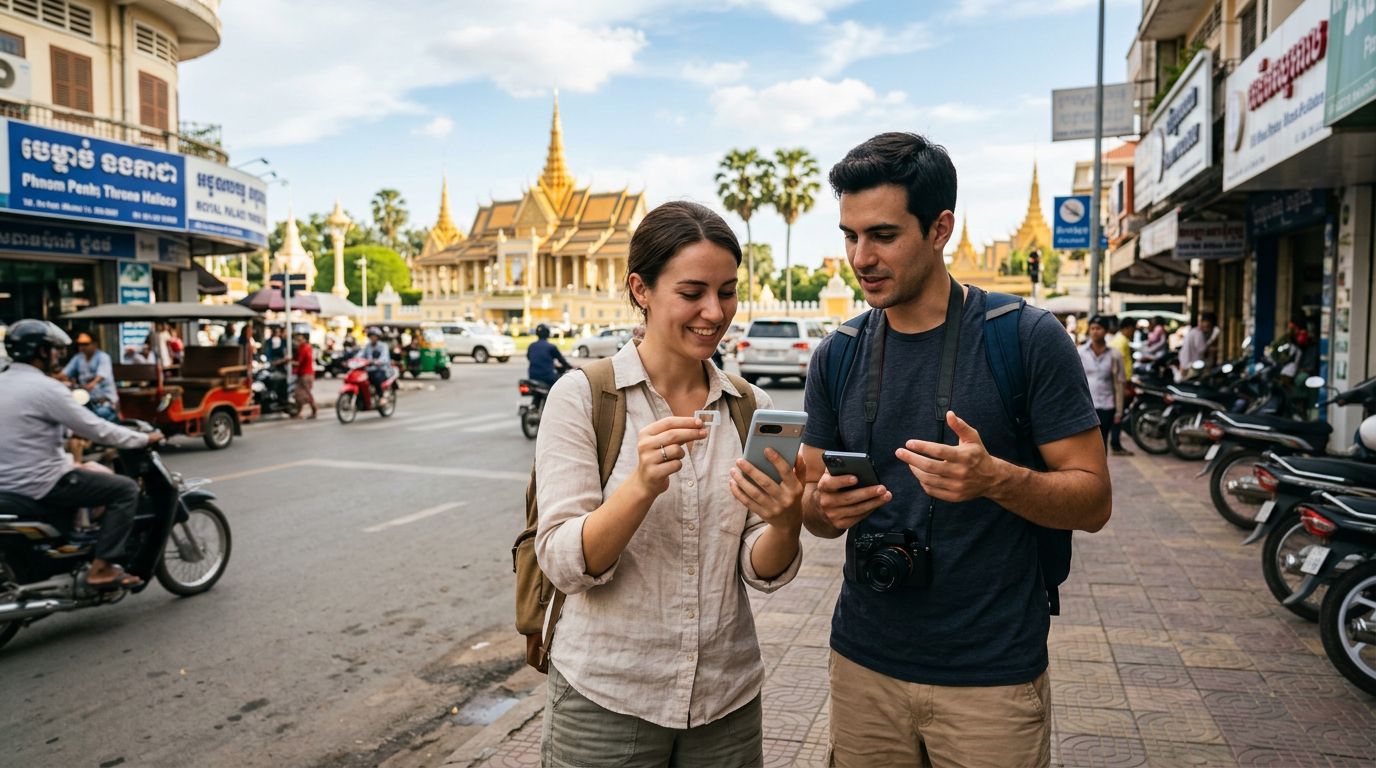
A physical SIM card is the standard plastic chip that has been the industry norm for decades. It requires you to physically open your device’s SIM tray, remove your home SIM, and insert the local card. Conversely, an eSIM—or embedded SIM—is a digital version of that card. It is built directly into the hardware of modern smartphones. Because it is software-based, you can activate it without ever needing to touch your device's internal components or risk losing a tiny piece of plastic.
For travelers, the shift toward eSIM technology has been transformative. You no longer need to hunt for a mobile shop upon arrival at the airport or deal with language barriers while trying to explain your data requirements. With an eSIM, the connectivity is ready to go as soon as you land, provided you have completed the setup process beforehand.
Comparing Convenience and Practicality
The primary advantage of choosing an eSIM over a physical SIM card in Jersey is the sheer convenience of the setup. Traditional SIM cards require a physical exchange. If you are traveling through multiple countries or have a busy itinerary, finding a physical store that sells prepaid cards can be a significant drain on your time. You might encounter limited operating hours, long queues, or stores that are simply out of stock.
With an eSIM, you manage your connectivity entirely through your phone. Services like OneTapSIM allow you to purchase and install your data plan before you even leave home. Once you arrive in Jersey, you simply toggle the eSIM on in your phone’s settings, and you are connected to the local network. This eliminates the "dead zone" period between landing and finding a reliable Wi-Fi hotspot.
Another practical benefit is the preservation of your home SIM. If you use a physical SIM card, you must remove your primary card and store it somewhere safe. Travelers frequently lose these small chips in the shuffle of luggage and hotel rooms. By using an eSIM, your home SIM remains securely inside your phone. You can keep your primary number active for essential calls or texts while using the eSIM exclusively for mobile data. This allows you to stay reachable for emergencies while enjoying the benefits of local data rates.
Compatibility and Device Considerations
Before deciding on your connectivity method, you must ensure your device is capable of supporting the technology. Most smartphones released in the last few years are eSIM-compatible, but it is always wise to verify your specific model. You can check your device’s settings menu or search the official support pages for Apple or Google to confirm if your phone supports eSIM technology.
If you have an older device, you may be restricted to using a physical SIM card. However, the vast majority of modern travelers carry devices that support dual-SIM functionality, which is the "gold standard" for international travel. This setup allows your phone to hold your home SIM and your travel eSIM simultaneously. You can designate the eSIM as your primary source for mobile data, ensuring you do not incur roaming charges from your home carrier, while keeping your home SIM active for incoming messages.
OneTapSIM provides a streamlined experience for those who have confirmed their device compatibility. By removing the need for physical hardware, the process becomes a matter of scanning a QR code or following a simple in-app installation guide. This is particularly beneficial for those who are not tech-savvy or who simply want a hassle-free arrival. If you are uncertain about your phone's capabilities, a quick check of your manufacturer's documentation will clarify whether you can take advantage of the digital eSIM route or if you need to stick with the traditional physical card.
Reliability and Network Performance
A frequent question among travelers is whether an eSIM offers the same network quality as a physical SIM. The answer is a definitive yes. An eSIM is not a different type of network; it is simply a different method of authenticating your device with a network provider. Whether you use a physical card or an eSIM, your phone will connect to the same local towers in Jersey.
Network performance in Jersey is generally robust, covering the main towns, coastal roads, and popular tourist attractions. Because you are connecting to local infrastructure, you will experience the same speeds and coverage regardless of how you activated your service. The reliability of your connection depends on the local carrier’s infrastructure, not on the physical or digital nature of the SIM.
When you opt for an eSIM, you are essentially choosing a more efficient way to access that same reliable network. By avoiding the physical swap, you reduce the risk of damaging your SIM tray or the card itself. Furthermore, if you encounter any issues, digital support is often faster than trying to troubleshoot a physical card that might be faulty or improperly seated.
Ultimately, the choice between a Jersey SIM card and an eSIM comes down to your personal preference for convenience. If you value a seamless transition from your home country to your destination, an eSIM is the modern, logical choice. It provides immediate connectivity, keeps your home SIM safe, and integrates perfectly into the workflow of a modern smartphone. Whether you are wandering through the historic streets of Saint Helier or exploring the rugged northern coastline, having a reliable data connection through a service like OneTapSIM ensures that your trip remains smooth, connected, and stress-free. As technology continues to favor digital solutions, the eSIM stands out as the most practical tool for the contemporary traveler.
Get an eSIM for
Plans for the destinations covered in this guide, with instant QR delivery.