Understanding Connectivity Challenges in Dominica
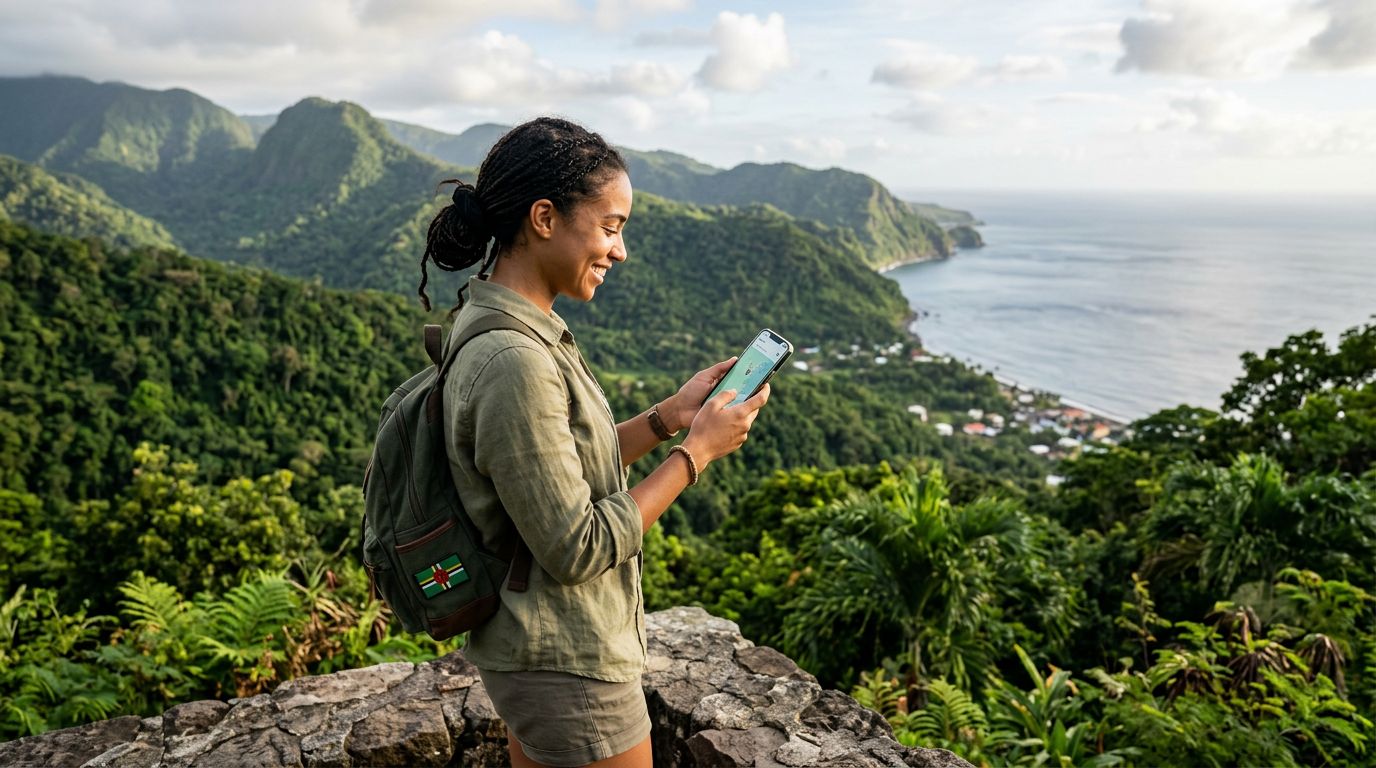
Dominica, often referred to as the "Nature Island" of the Caribbean, offers breathtaking landscapes, ranging from lush rainforests and volcanic hot springs to dramatic waterfalls. However, the very geography that makes the island a paradise for hikers and nature enthusiasts can create challenges for staying connected. With rugged mountains and dense terrain, signal strength can fluctuate significantly depending on your exact location.
For travelers, having a reliable internet connection is no longer just a luxury; it is a necessity for mapping out hiking trails, checking weather updates, translating local information, and keeping in touch with family back home. Relying solely on hotel Wi-Fi or public hotspots is rarely sufficient, as these services are often slow, insecure, or completely unavailable once you step into the wilderness. Finding the best way to get data in Dominica requires a strategy that prioritizes flexibility and coverage across the island’s diverse regions.
Many visitors arrive expecting to use their home carrier’s roaming plan, only to find that the costs are prohibitive or the data speeds are throttled to a crawl. Others attempt to hunt for physical SIM cards at the airport or local shops upon arrival. While local SIMs are a common solution, they often involve long queues, language barriers, and the hassle of swapping out your physical card, which carries the risk of losing your original SIM.
The Advantages of eSIM Technology for Caribbean Travel
The most efficient alternative to traditional roaming or physical SIM cards is the eSIM. An eSIM is a digital version of a standard SIM card that is embedded directly into the hardware of modern smartphones. Because it is software-based, you do not need to physically insert or remove anything from your device. This technology has transformed how international travelers manage their connectivity.
When you use an eSIM, you can pre-configure your data plan before you even board your flight. As soon as you land in Dominica, your phone can connect to the local network automatically. This eliminates the need to visit a kiosk or wait for a store to open. Furthermore, because you keep your original SIM card in your phone, you can still receive SMS messages or calls on your primary number while using your eSIM for data. This dual-SIM functionality is ideal for those who need to remain reachable for work or emergencies while enjoying the freedom of a local data connection.
OneTapSIM provides a streamlined experience for travelers heading to the Caribbean. By choosing a digital solution, you avoid the common pitfalls of physical cards, such as finding a compatible tray pin or worrying about damaging your phone’s internal components. The setup process is straightforward, requiring only a quick scan of a QR code or a manual entry provided upon purchase. Once activated, your device treats the eSIM like a local connection, ensuring you have the data you need to navigate the island’s winding roads or share photos of your adventures in real-time.
Practical Tips for Staying Connected While Exploring
To ensure you have the best experience with your connectivity in Dominica, it is important to prepare your device before you leave home. First, verify that your smartphone is carrier-unlocked. If your phone is locked to a specific provider, it will not accept an eSIM from a different service, regardless of the technology. You can usually check this in your device settings or by contacting your home carrier.
Once you have confirmed compatibility, consider how you intend to use your data. If you plan on streaming high-definition video or uploading large files, you will consume data much faster than if you are simply using GPS or messaging apps. While the network infrastructure in Dominica is generally reliable in populated areas like Roseau or Portsmouth, you should expect signal dips in remote valleys or deep within the Morne Trois Pitons National Park. Downloading offline maps via Google Maps before you head into these remote areas is a smart practice, as it ensures you can still find your way even if you move out of range of a cellular tower.
Battery management is another critical aspect of staying connected. Using cellular data, especially in areas with a weak signal, can drain your battery faster than usual as your phone works harder to maintain a connection. Carrying a portable power bank is highly recommended for long days of hiking or sightseeing. Additionally, adjusting your phone settings to restrict background data usage for non-essential apps can help you conserve your data allowance, ensuring it lasts for the duration of your trip.
By opting for a modern, digital-first approach to connectivity, you remove the stress of finding a reliable signal. Whether you are checking the status of a ferry, looking up the history of a colonial site, or sharing your travel itinerary with friends, having a dedicated data plan through a service like OneTapSIM allows you to focus on the beauty of the island rather than the logistics of your phone. With the right preparation and the right technology, you can enjoy seamless connectivity throughout your entire stay in Dominica, making your journey smoother, safer, and more enjoyable.
Get an eSIM for
Plans for the destinations covered in this guide, with instant QR delivery.